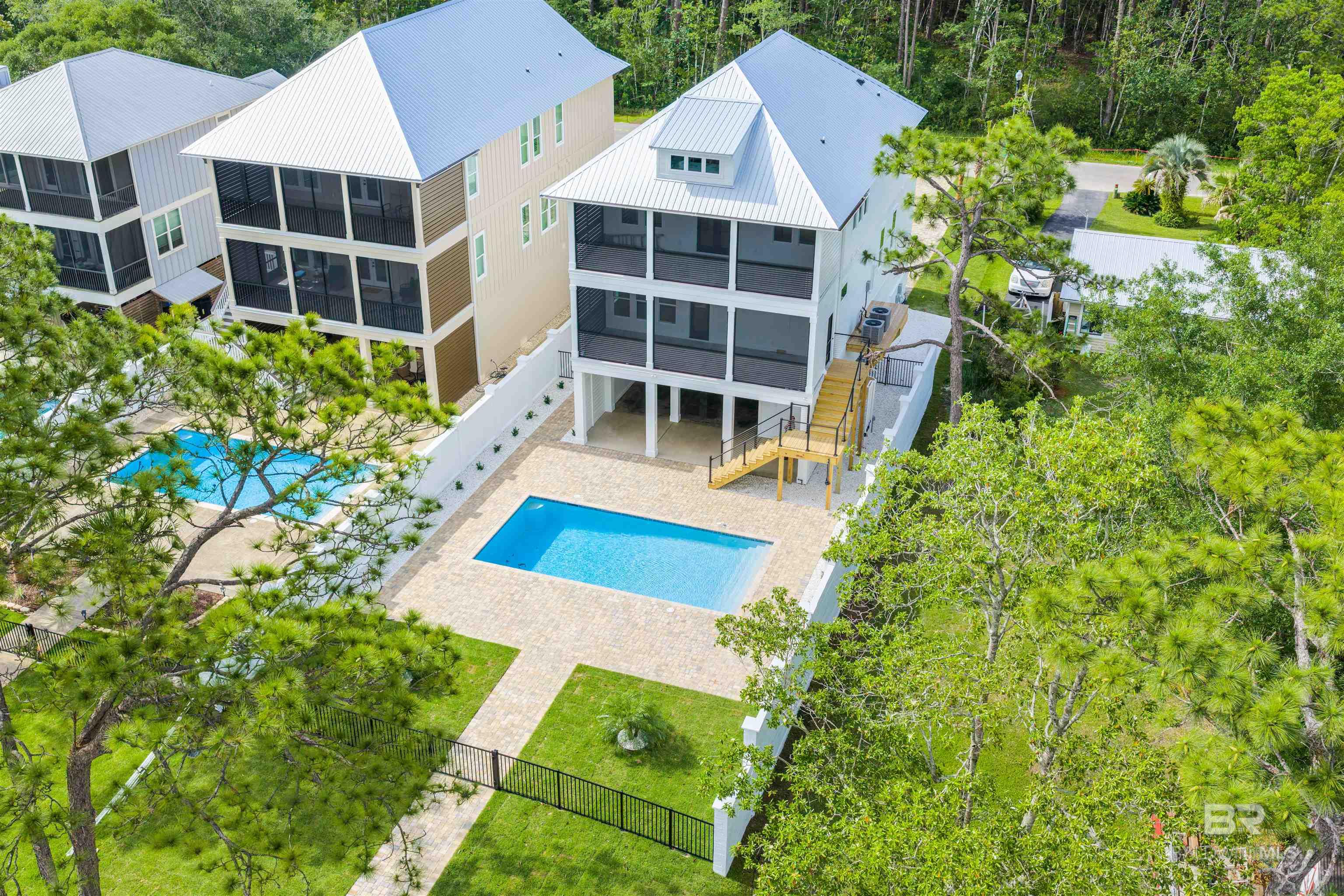
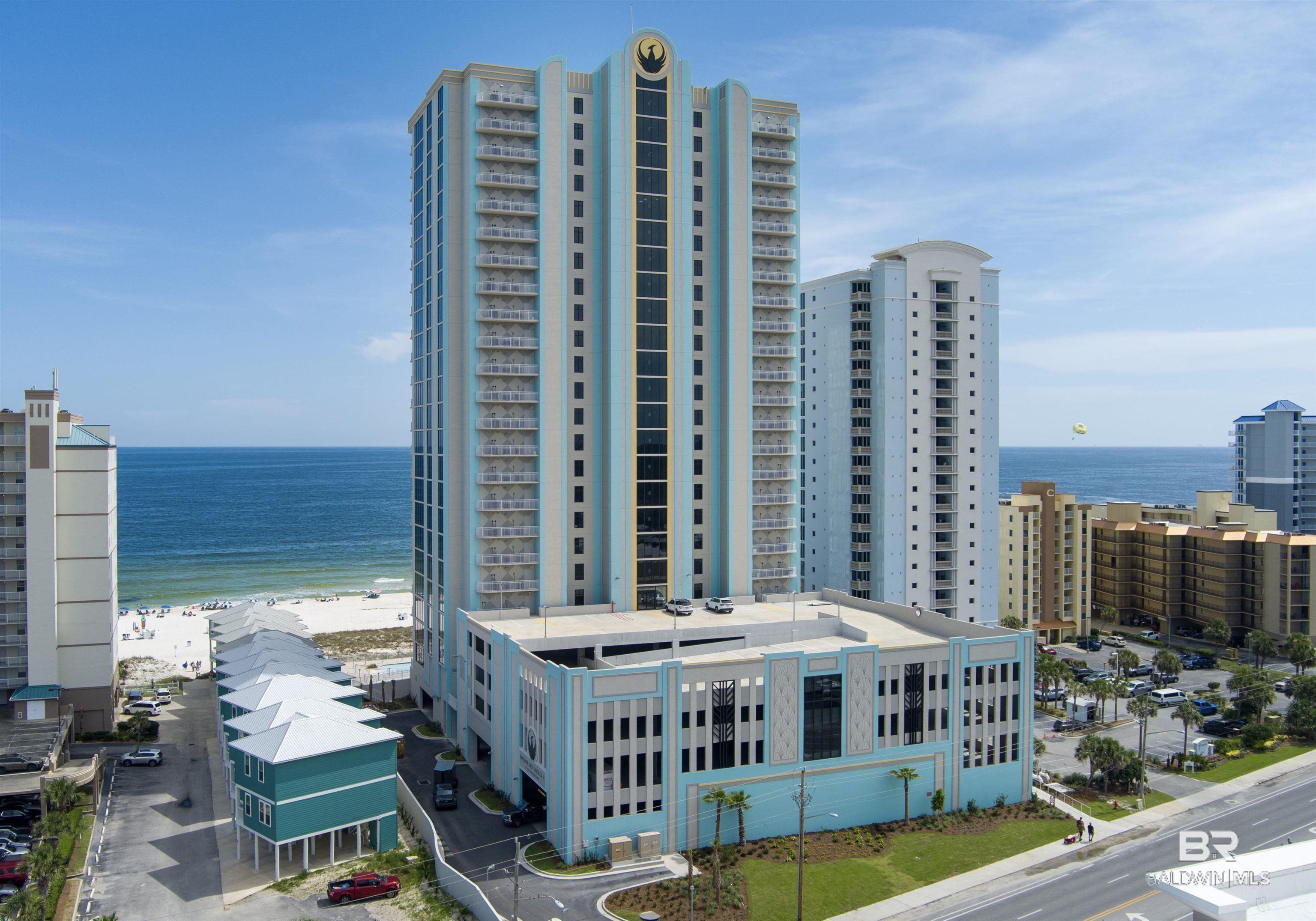
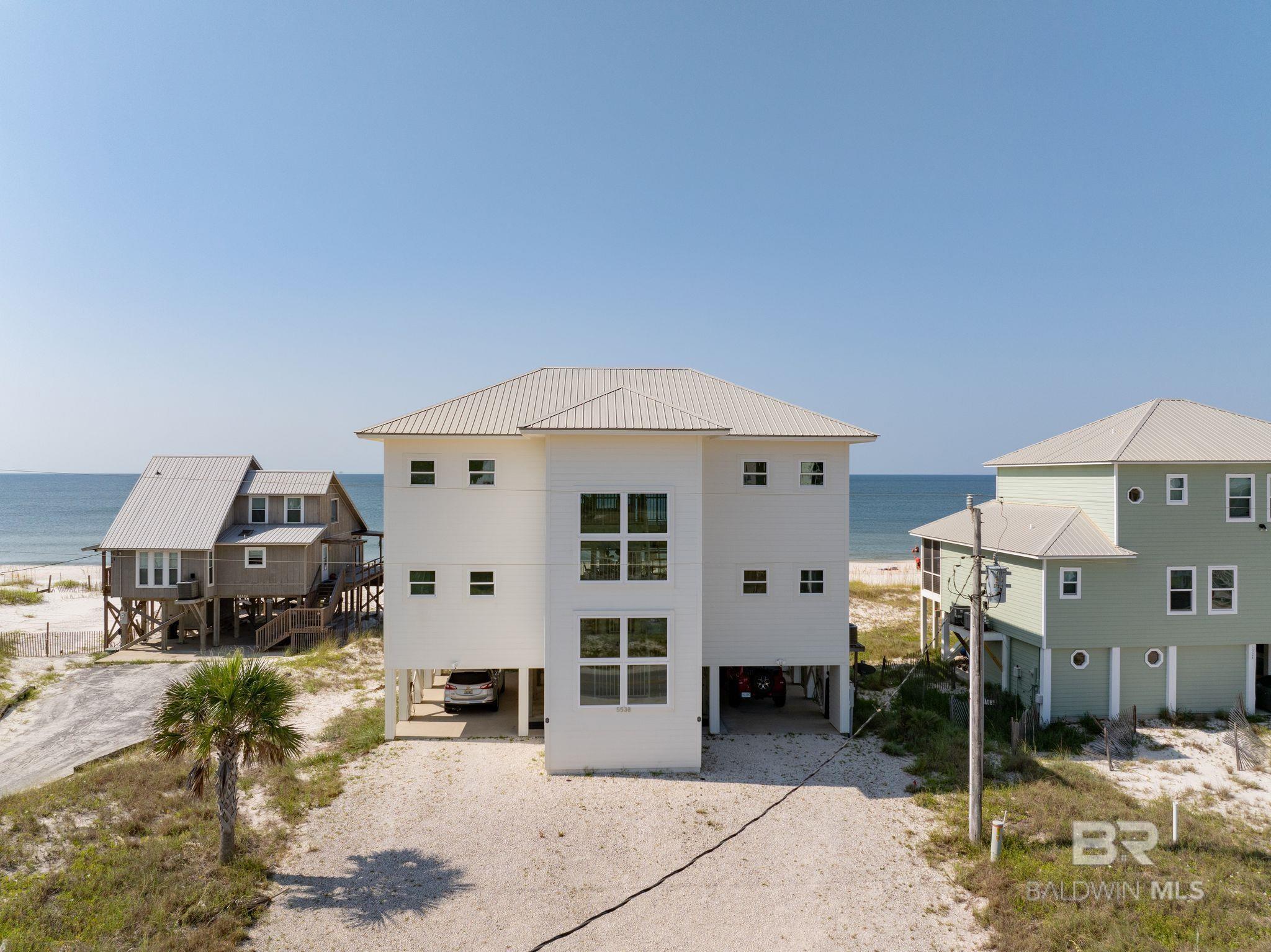
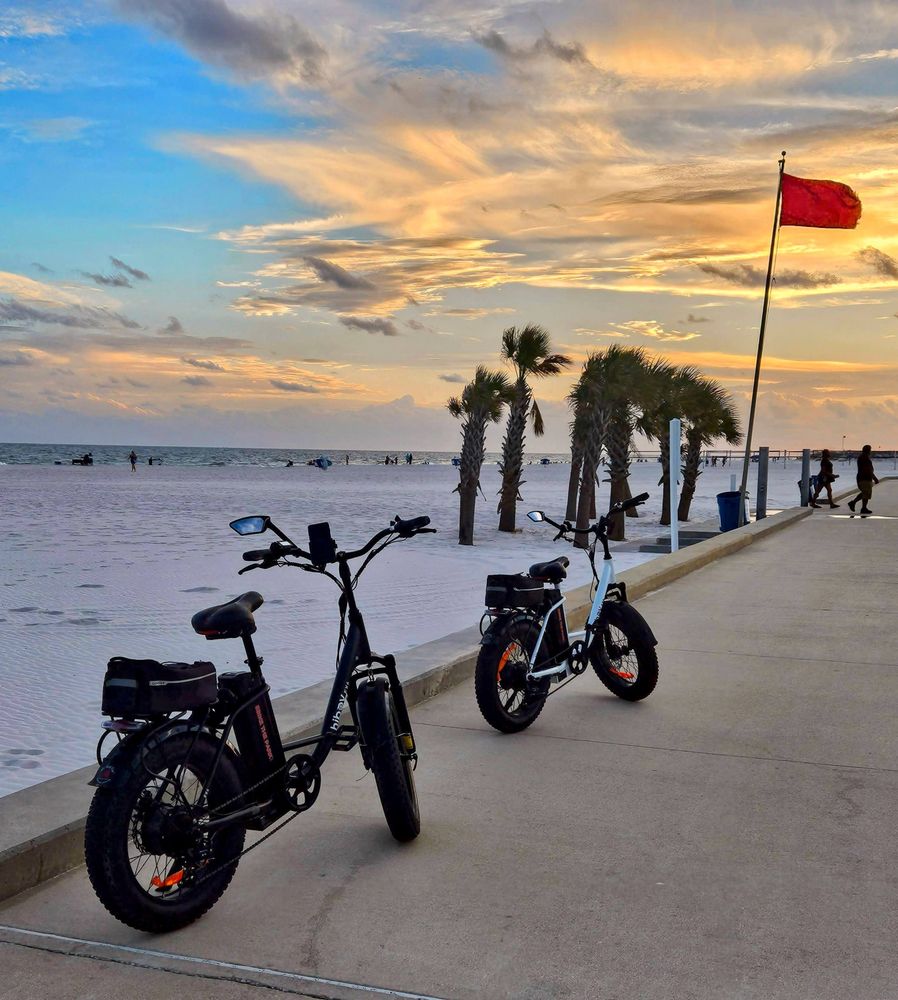
17,335 people live in Gulf Shores, where the median age is 50.6 and the average individual income is $45,103. Data provided by the U.S. Census Bureau.
Total Population
Median Age
Population Density Population Density This is the number of people per square mile in a neighborhood.
Average individual Income
Gulf Shores, Alabama is a coastal city defined by white-sand beaches, a tourism-driven economy, and a real estate market that blends lifestyle living with income potential. Located along the Gulf of Mexico in Baldwin County, it is best known as both a primary residence destination and a second-home or vacation-rental market.
From a real estate perspective, Gulf Shores is not a traditional suburban neighborhood. It functions as a resort-oriented coastal market where zoning, short-term rental regulations, flood exposure, and seasonal demand materially affect property value, use, and appreciation. Buyers here are typically balancing lifestyle preferences with financial considerations.
The area attracts a diverse buyer profile: retirees seeking beachfront or low-maintenance condos, investors focused on short-term rentals, remote workers drawn to coastal living, and families looking for inland neighborhoods away from peak tourist zones. As a result, housing types and micro-markets vary significantly by location within the city.
Understanding Gulf Shores requires looking beyond median prices and focusing on location-specific factors such as proximity to the beach, rental permissibility, HOA rules, insurance costs, and storm resilience. This guide breaks down Gulf Shores through a real estate lens, helping buyers and sellers evaluate where value, risk, and lifestyle intersect.
Gulf Shores’ history is closely tied to its geography, weather, and gradual transformation from a remote coastal settlement into a tourism-driven real estate market.
Originally inhabited by Native American tribes, the area later became part of Spanish, French, and British territorial claims before Alabama achieved statehood in 1819. For much of the 19th and early 20th centuries, Gulf Shores remained sparsely populated, used primarily for fishing, small-scale agriculture, and maritime activity rather than permanent settlement.
The modern identity of Gulf Shores began forming in the mid-20th century. Improved road access, particularly the construction of Alabama Highway 59, connected the coastline to inland Baldwin County and Mobile. This infrastructure shift laid the groundwork for tourism, beachfront development, and second-home ownership.
A defining event in the city’s history was Hurricane Frederic in 1979. The storm caused widespread destruction and forced a complete rebuild of much of the coastal infrastructure. This rebuilding period fundamentally reshaped Gulf Shores’ real estate profile, leading to stricter building codes, elevated structures, and a stronger emphasis on storm resilience. Many of the condominium developments and planned communities seen today emerged from this post-storm redevelopment era.
Key historical inflection points that shaped today’s market:
Today, Gulf Shores’ real estate market reflects this layered history. Older inland neighborhoods contrast with newer, code-compliant beachfront and resort-style developments. Understanding when and how different areas were built helps buyers assess construction quality, flood risk, and long-term value.
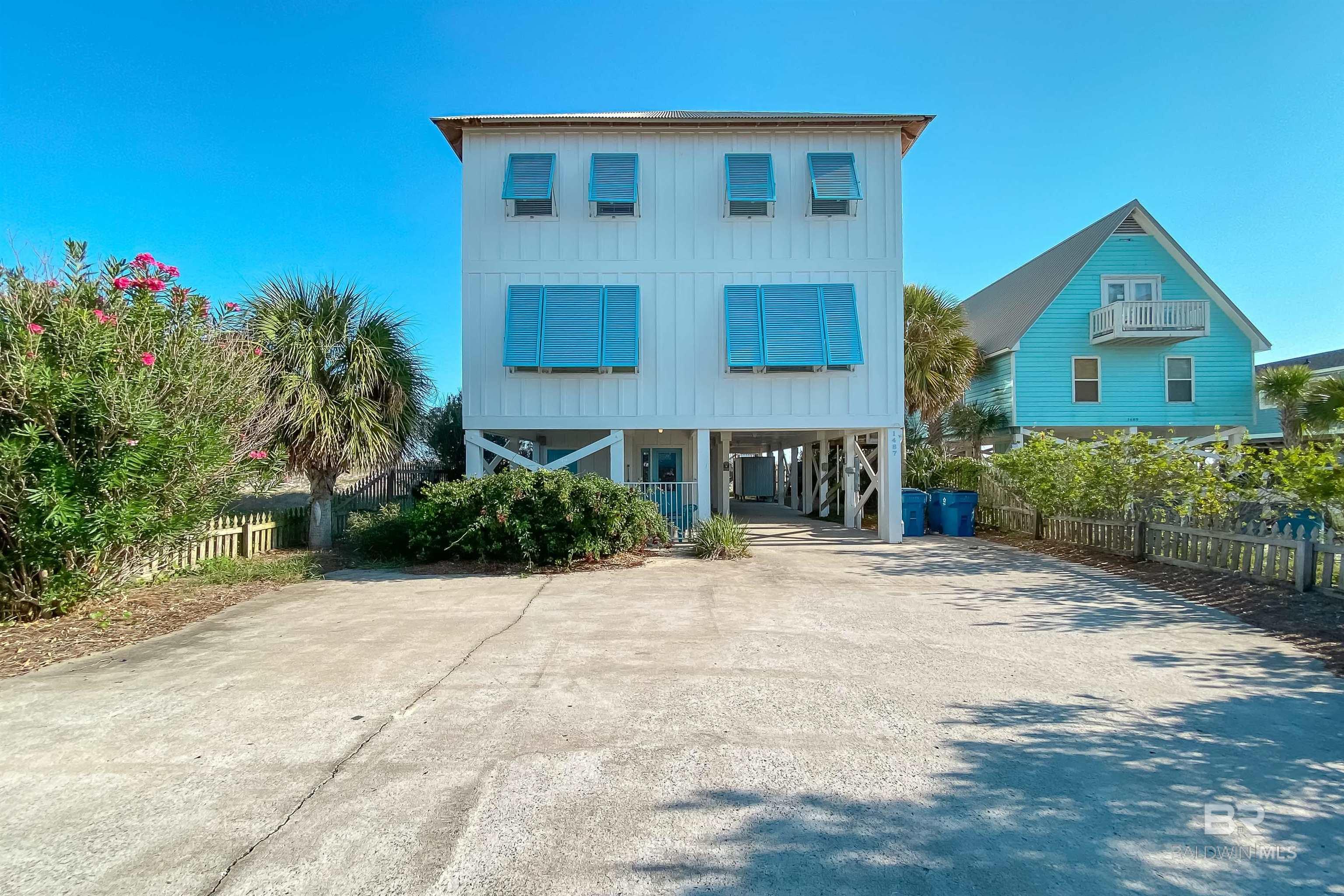
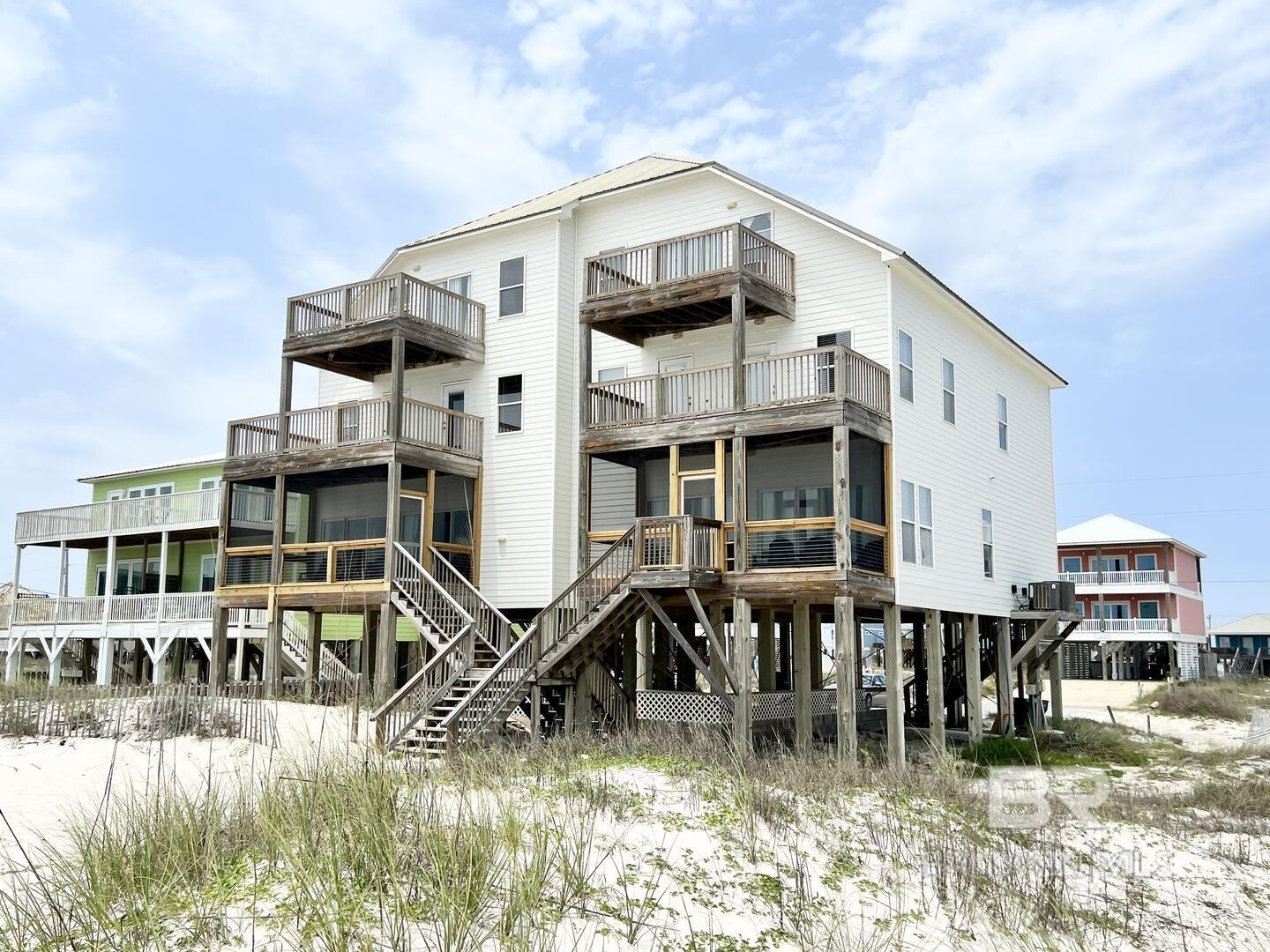
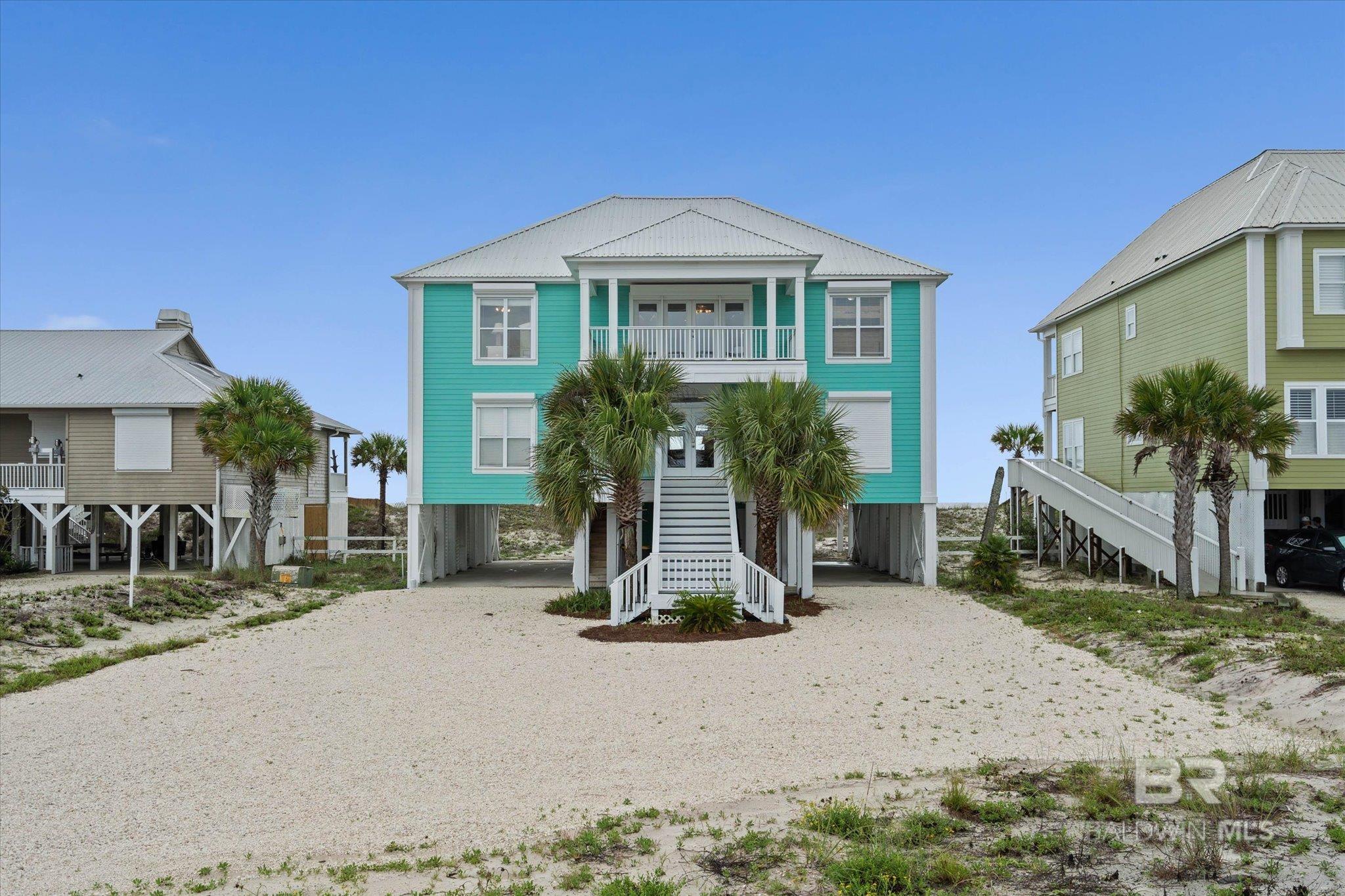
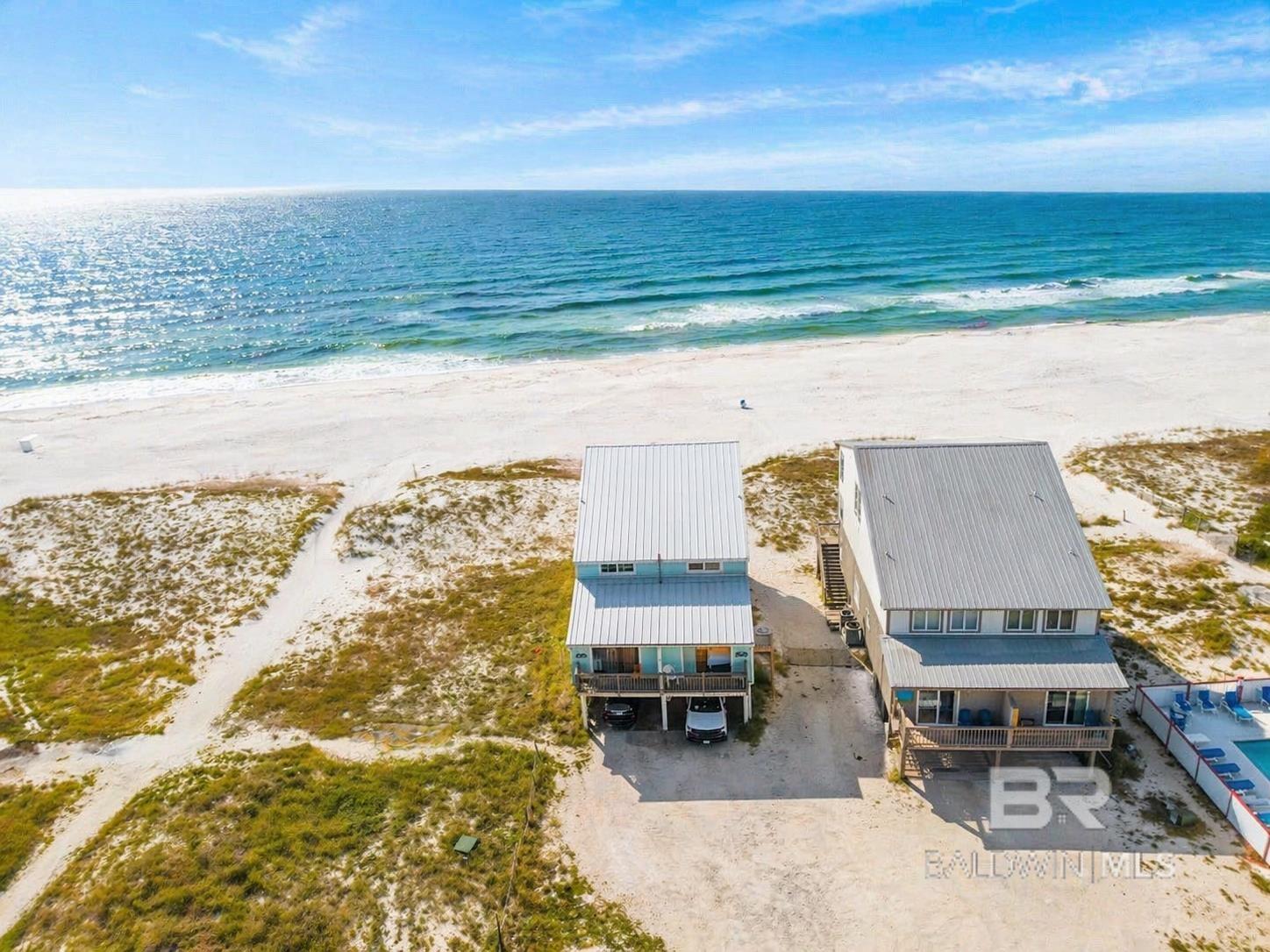
Gulf Shores is located in southern Baldwin County, Alabama, directly along the Gulf of Mexico. It sits at the western edge of Alabama’s coastline, bordered by Orange Beach to the east and Fort Morgan to the west, with Mobile Bay lying to the northwest. This positioning defines both its lifestyle appeal and its real estate constraints.
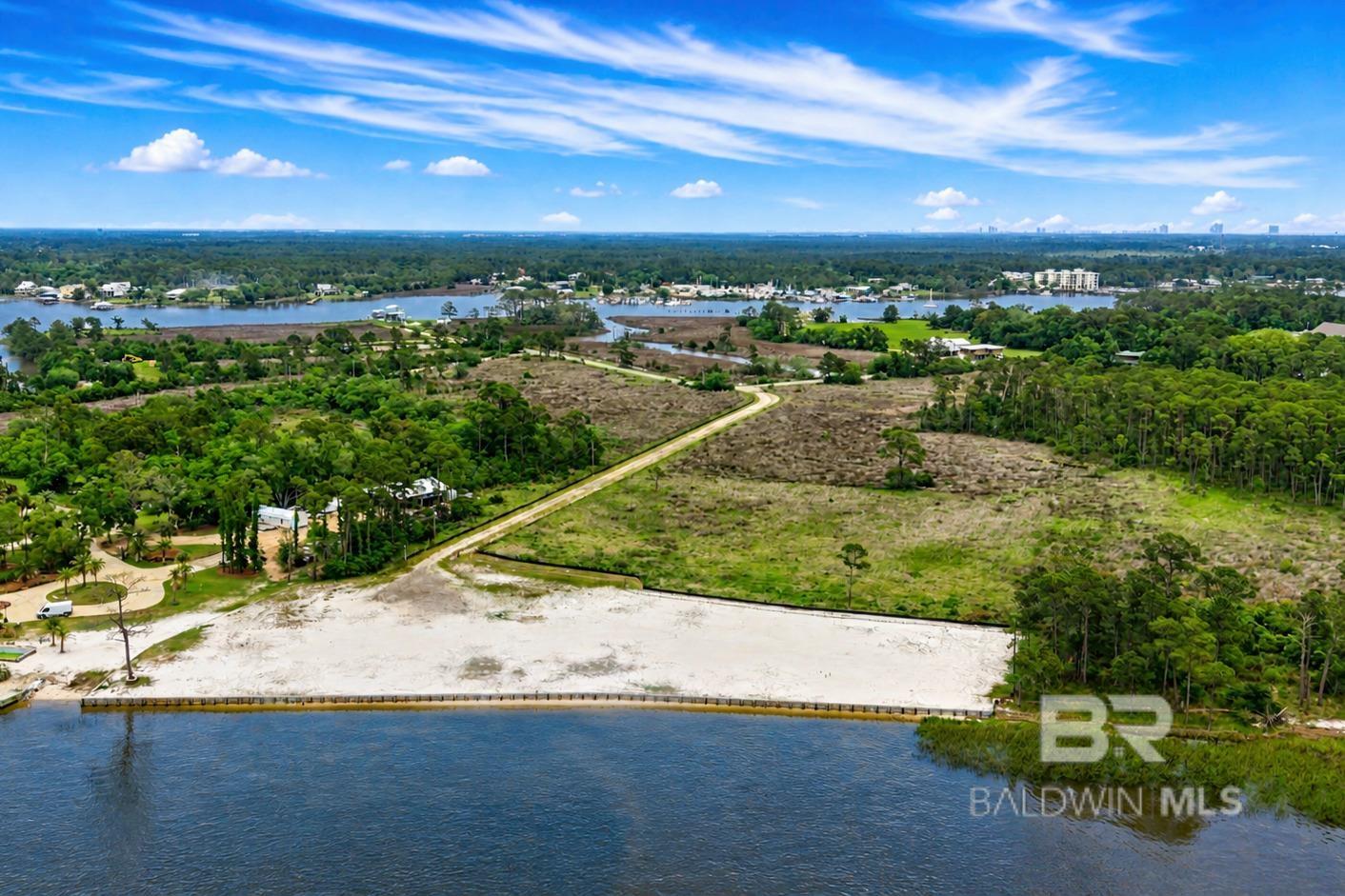
The city is characterized by a narrow coastal footprint. Beachfront properties line the Gulf, while residential neighborhoods, condos, and commercial areas extend northward toward the Intracoastal Waterway and inland bays. As distance from the shoreline increases, elevation generally improves, flood exposure decreases, and housing shifts from resort-style development to more traditional residential communities.
Geographically, Gulf Shores is dominated by:
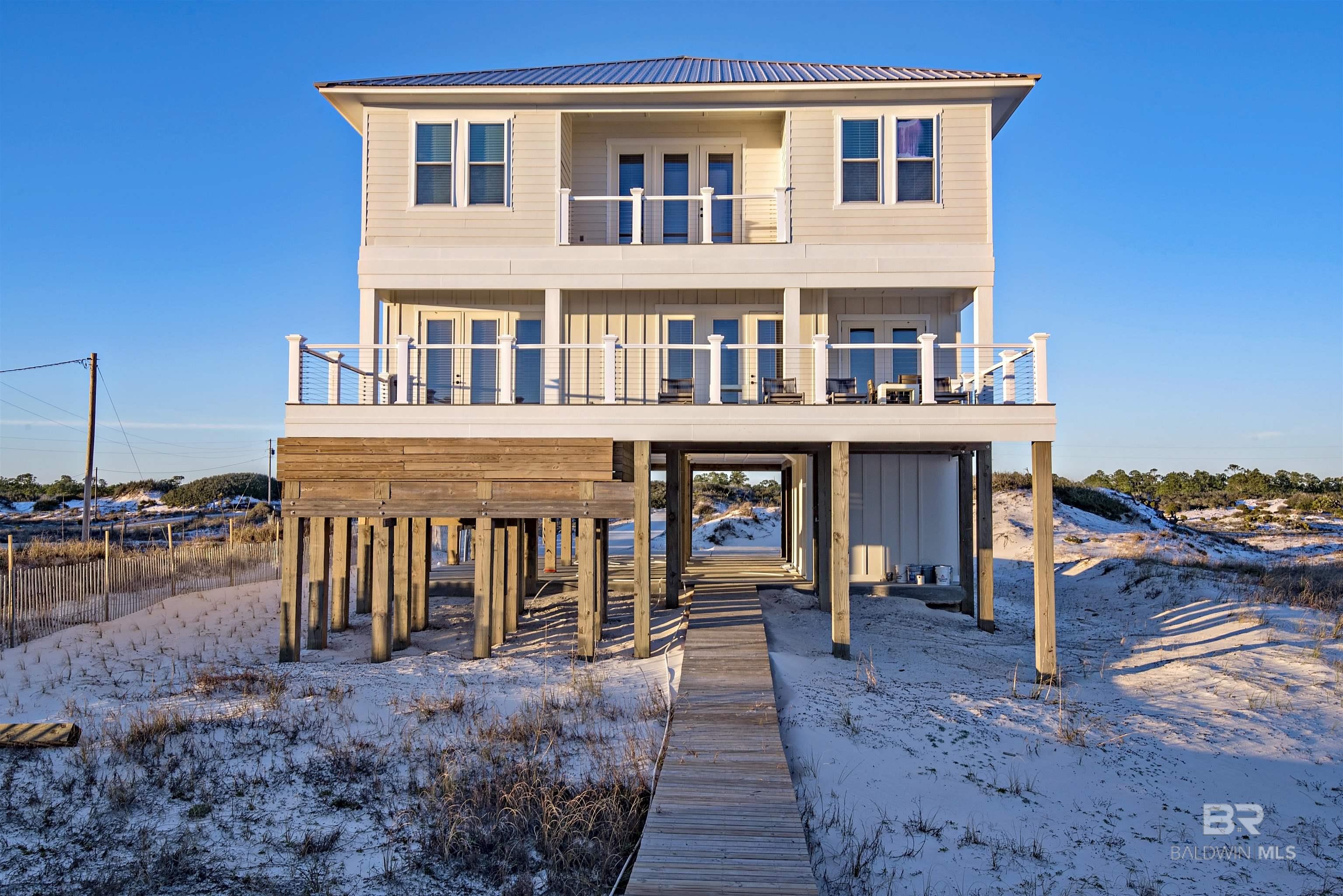
These features directly affect zoning, insurance requirements, and construction methods. Many beachfront and near-beach properties fall within FEMA-designated flood zones and require elevated construction, impact-resistant materials, and specialized insurance policies.
Accessibility is straightforward but limited by geography. Alabama Highway 59 serves as the primary north–south corridor into the city, concentrating traffic during peak tourist seasons. While this supports strong visibility for commercial real estate, it also creates congestion that buyers should factor into location decisions.
From a real estate standpoint, location within Gulf Shores matters more than city-wide averages. Beachfront, lagoon-front, inland residential, and Fort Morgan corridor properties behave as distinct micro-markets, each shaped by geography, access, and environmental exposure.
Current Pricing and Value Trends
The typical home value in Gulf Shores is around $450,000 to $470,000, with some data showing an average home value of approximately $451,979 and slight annual declines (~-3.3%) in certain indices. Median listing prices are generally in the $500,000+ range, reflecting diverse property types and waterfront premiums.
Sales Activity and Market Dynamics
Homes in Gulf Shores spend longer on the market than state and national averages, often 100+ days before going pending. Sale-to-list ratios near 96% indicate a moderately balanced market with more negotiating power for buyers compared to tighter markets.
Inventory and Buyer Leverage
Inventory has increased versus recent years. Active listings exceed historical lows, giving buyers more choices and extending days on market. This trend has softened pricing pressure and stretched selling timelines.
Market Segmentation
Local Comparison
Gulf Shores pricing trends contrast with broader Baldwin County, where median prices are slightly lower and showing modest year-over-year gains.
Interpretation
Gulf Shores remains a valued coastal market with high per-square-foot pricing relative to inland Alabama, especially for gulf-view and investment-oriented properties. Current conditions favor informed buyers willing to evaluate property condition, location risk (flood/seaside), and seasonal liquidity when negotiating.
Buying real estate in Gulf Shores requires a different evaluation framework than inland or suburban markets. Coastal exposure, tourism demand, and regulatory constraints directly influence cost, usability, and long-term returns.
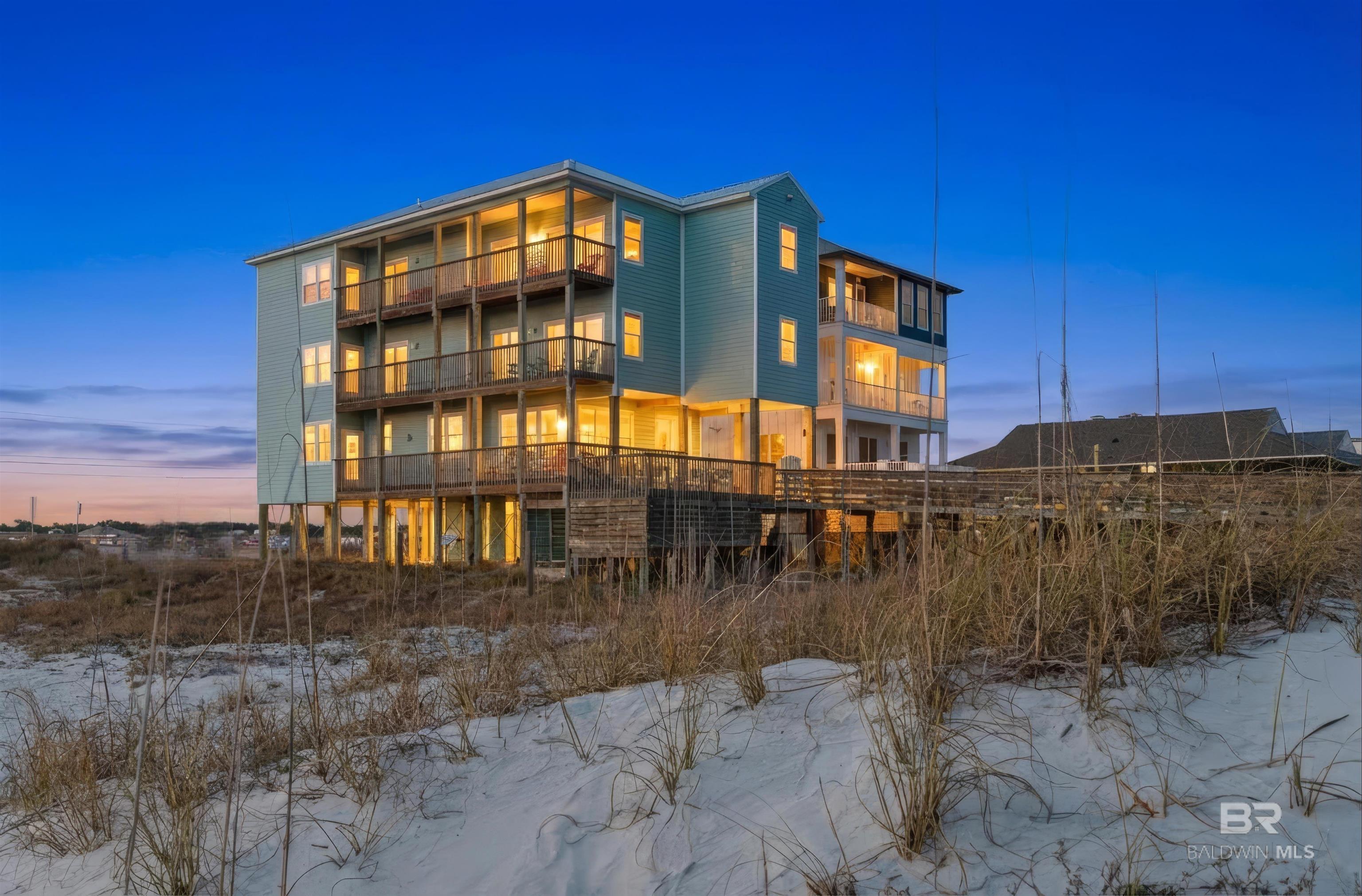
Location and Micro-Market Differences: Property performance varies significantly by location. Beachfront, lagoon-front, inland residential, and Fort Morgan corridor properties behave as distinct submarkets. Proximity to the Gulf drives price premiums, rental demand, and insurance costs, while inland areas offer greater stability for primary residents.
Flood Zones and Insurance Costs: Flood risk is a primary cost driver.
Insurance expenses should be evaluated upfront, not after contract.
Short-Term Rental Regulations: Gulf Shores is highly regulated for vacation rentals.
Rental income projections should always be validated against zoning and HOA bylaws.
HOA Rules and Fees: Condos and planned communities dominate the market.
HOA documents materially affect both lifestyle flexibility and cash flow.
Seasonality and Liquidity: The market is cyclical.
Exit strategy matters more here than in non-resort markets.
Construction Standards and Property Age: Post-1979 construction generally reflects stronger building codes due to hurricane-driven reforms. Buyers should assess:
Older properties may offer lower pricing but higher long-term risk.
Use Case Alignment: Buyers should clearly define intent:
Each use case favors different locations, property types, and regulatory profiles.
In Gulf Shores, value is less about price per square foot and more about risk management, location strategy, and regulatory alignment. Buyers who account for these factors early tend to make more resilient long-term decisions.
Selling real estate in Gulf Shores requires careful positioning due to its resort-driven, highly segmented market. Pricing, timing, and presentation must align with buyer intent, not just comparable sales.
Seasonality and Market Timing: Demand is strongly seasonal.
Timing the listing can materially affect both price and velocity.
Property Type and Buyer Targeting: Different properties attract different buyers.
Marketing should speak directly to the dominant buyer profile.
Pricing Strategy: Overpricing is penalized quickly in this market.
Correct pricing at launch is more effective than incremental reductions.
Condition, Compliance, and Documentation: Coastal buyers are risk-aware.
Transparency reduces friction during due diligence.
HOA and Assessment Considerations: For condos, HOA dynamics are critical.
Sellers should anticipate HOA-related objections.
Storm Readiness and Insurance Transferability: Post-storm resilience is a selling point.
Preemptively addressing these items shortens negotiation cycles.
Marketing Execution: Professional presentation is not optional.
In Gulf Shores, selling success depends on aligning property strengths with the right buyer segment while reducing perceived risk. Well-prepared listings outperform purely price-driven strategies.
Dining and entertainment in Gulf Shores blend coastal culture, fresh seafood, casual beach bars, family-friendly venues, and outdoor attractions. Gulf Shores appeals to residents and visitors alike with options for daily meals, special nights out, live music, and leisure activities.
Restaurants and Local Favorites
Gulf Shores offers a wide range of dining options, particularly emphasizing fresh Gulf seafood and local Southern cuisine:
Beach Bars, Nightlife, and Live Music
Gulf Shores and adjacent Orange Beach sustain a lively bar scene with beachfront patios, live music, and seasonal events. Local bars and lounges serve cocktails (including regional favorites like the Bushwacker), craft brews, and casual eats. Live entertainment is regularly featured at restaurants and dedicated venues year-round.
Family and Leisure Entertainment
Beyond dining and nightlife, Gulf Shores provides diverse entertainment:
Seasonal and Special Events
Gulf Shores hosts a range of seasonal festivals and performances that enhance the entertainment landscape. While major musical festivals may evolve over time, annual art shows, local concerts, and community celebrations contribute to the year-round social calendar.
Overall, Gulf Shores’ dining and entertainment options support both everyday living and visitor experiences, with a mix of casual beachfront venues, refined dining, family activities, outdoor attractions, and nightlife suited to varied tastes and lifestyles.
Gulf Shores offers abundant outdoor and recreational spaces that support active living, nature engagement, family time, and waterfront access. From large state parks with multi-use trails to neighborhood green spaces and water-side points, residents can enjoy diverse recreational options close to home.
Major Parks and Outdoor Spaces
Recreation and Family Activities
Trails, Nature, and Wildlife
Trails and natural corridors are key assets. The broader region includes extensive paved routes like those in Gulf State Park that connect across ecosystems, as well as birding and wildlife viewing opportunities in preserved coastal habitats including Bon Secour National Wildlife Refuge and Little Lagoon areas.
Water Recreation and Access
Beyond designated parks, water-oriented recreation is integral. Kayaking, paddleboarding, fishing, and boating opportunities abound along Little Lagoon, within Gulf State Park waters, and off the beaches and piers. These water activities support both casual leisure and active lifestyles throughout the year.
Community Green Spaces
Neighborhood parks and smaller greenspaces offer accessible options for daily walking, dog play, picnics, and youth play areas. These local parks contribute to quality of life and community connectivity within residential areas.
Overall, Gulf Shores’ parks and recreation network supports a broad lifestyle spectrum—from vigorous outdoor adventure and shoreline living to family outings and community events—making it a compelling setting for both permanent residents and second-home owners.
Gulf Shores hosts a range of annual events and festivals that reflect its coastal culture, arts, cuisine, and community spirit. These events draw locals and visitors throughout the year and contribute to the city’s lifestyle appeal.
Signature Annual Festivals
Community and Seasonal Events
Nearby and Regional Celebrations
Recurring Cultural and Recreational Activities
Beyond headline festivals, Gulf Shores features:
Annual events in Gulf Shores provide cultural richness, support local tourism, and offer year-round engagement for residents and prospective homebuyers.
Gulf Shores has a distinct public school system, local private options, and access to higher education and nearby alternatives, making it suitable for families with diverse educational needs.
Public Schools – Gulf Shores City Schools
The city operates its own school district, Gulf Shores City Schools (GSCS), which separated from Baldwin County schools and began independent operations in 2019. The district includes:
Gulf Shores Elementary School (PreK–5)
Gulf Shores Middle School (6–8)
Gulf Shores High School (9–12)
Gulf Shores Virtual Academy (K–12 options)
GSCS emphasizes rigorous academics, holistic student development, and future readiness. The district generally performs well on state assessments and report cards, with strong graduation rates and continuous improvement tracking.
Private and Alternative School Options
Gulf Shores and the surrounding area offer private Christian schooling, with South Baldwin Christian Academy serving Pre-K through 12th grade. Private options are fewer than public schools, and most are faith-based.
Nearby Public School Options
Families also may consider nearby public schools in Orange Beach and Foley, particularly for specific programs or preferences. Orange Beach Middle & High School and additional Baldwin County schools are within reasonable commuting distance for some residents.
Higher Education and Continuing Education
The Coastal Alabama Community College has a Gulf Shores campus offering workforce, hospitality, and career-focused programs. This provides post-secondary and adult education options without leaving the community.
Educational Considerations for Buyers
Overall, Gulf Shores delivers a balanced educational environment with strong public offerings, targeted private choices, and accessible college-level programs.
Gulf Shores has a simple and navigable transportation framework, but its coastal geography shapes how residents travel daily and connect to regional destinations.
Primary Road Infrastructure
Typical Commute Patterns
Traffic Seasonality
Regional Connectivity
Public Transit and Alternatives
Walkability and Local Mobility
Parking and Access at Key Destinations
Gulf Shores’ commute profile is defined by a reliance on Highway 59 and a car-centric travel model. Local trips are typically short, but seasonality and visitor traffic can significantly affect travel times to and from work, shopping, and regional connections. Buyers should consider proximity to primary corridors and peak traffic patterns when evaluating properties.
People are drawn to Gulf Shores for a combination of lifestyle, climate, and real estate flexibility that is difficult to replicate elsewhere in the Southeast.
Coastal Lifestyle Without Major-Metro Density: Gulf Shores delivers direct access to Gulf beaches, boating, and outdoor recreation without the congestion or pricing of larger coastal cities. Daily life can include beach walks, fishing, and waterfront dining while maintaining a small-city feel.
White-Sand Beaches and Natural Setting: The area’s quartz-sand beaches, coastal lagoons, and protected parkland are core quality-of-life drivers. Proximity to Gulf State Park, Little Lagoon, and nature preserves supports year-round outdoor activity beyond tourism seasons.
Diverse Housing Options: Buyers appreciate the range of property types:
This diversity allows residents to align lifestyle goals with budget and risk tolerance.
Favorable Cost Structure Compared to Other Coastal Markets: While not inexpensive, Gulf Shores remains more accessible than many Florida and East Coast beach markets. Property taxes are relatively low, and inland housing offers coastal proximity without premium pricing.
Strong Short-Term Rental and Investment Appeal: The area’s established tourism economy supports consistent rental demand. Many owners value the ability to offset ownership costs through seasonal rentals while retaining personal use.
Community Feel with Year-Round Activity: Despite heavy tourism, Gulf Shores maintains a local identity. Seasonal residents, retirees, and full-time homeowners contribute to a stable year-round community supported by schools, healthcare, and local services.
Accessibility to Regional Cities: Residents benefit from reasonable access to Mobile, Pensacola, and regional airports while living in a quieter coastal environment.
Lifestyle Summary: People love Gulf Shores because it offers:
For many buyers, Gulf Shores represents not just a place to visit, but a sustainable coastal lifestyle.
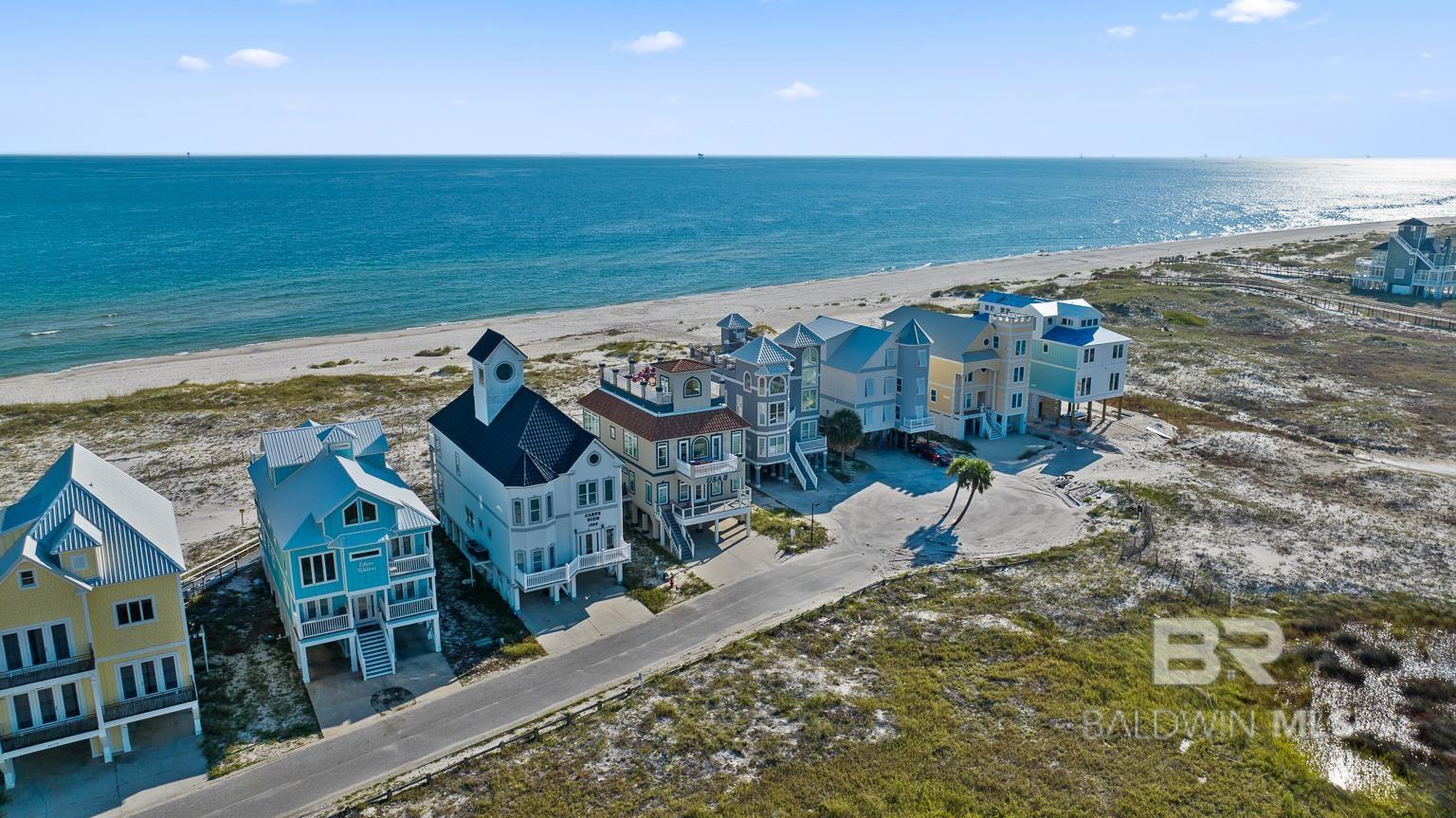
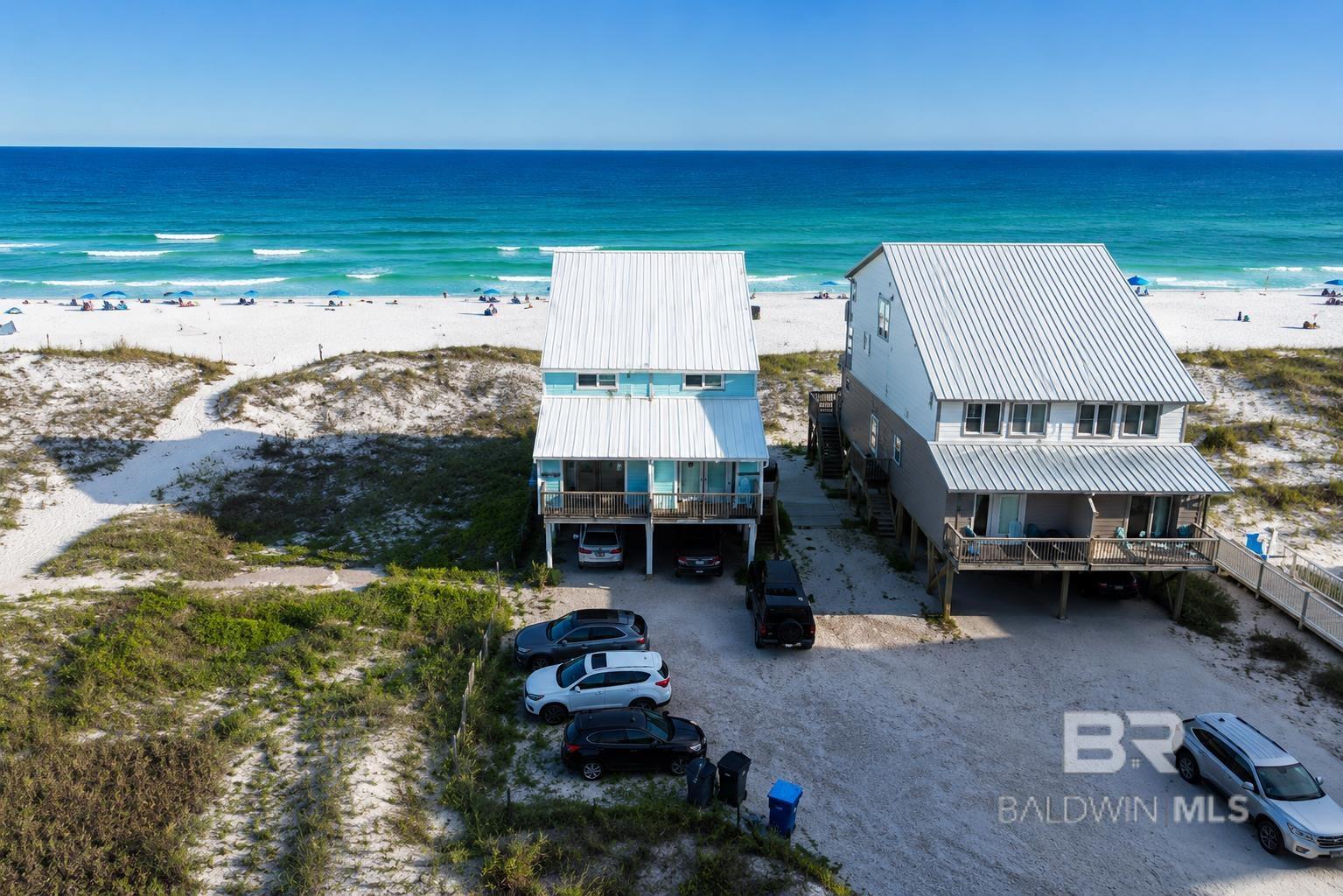
In Gulf Shores, “coveted” streets and estates are defined by proximity to the Gulf, water views, elevation, and access to amenities. These areas command premium prices, strong demand, and often limited inventory due to location constraints.
Beachfront and Gulf-View Corridors
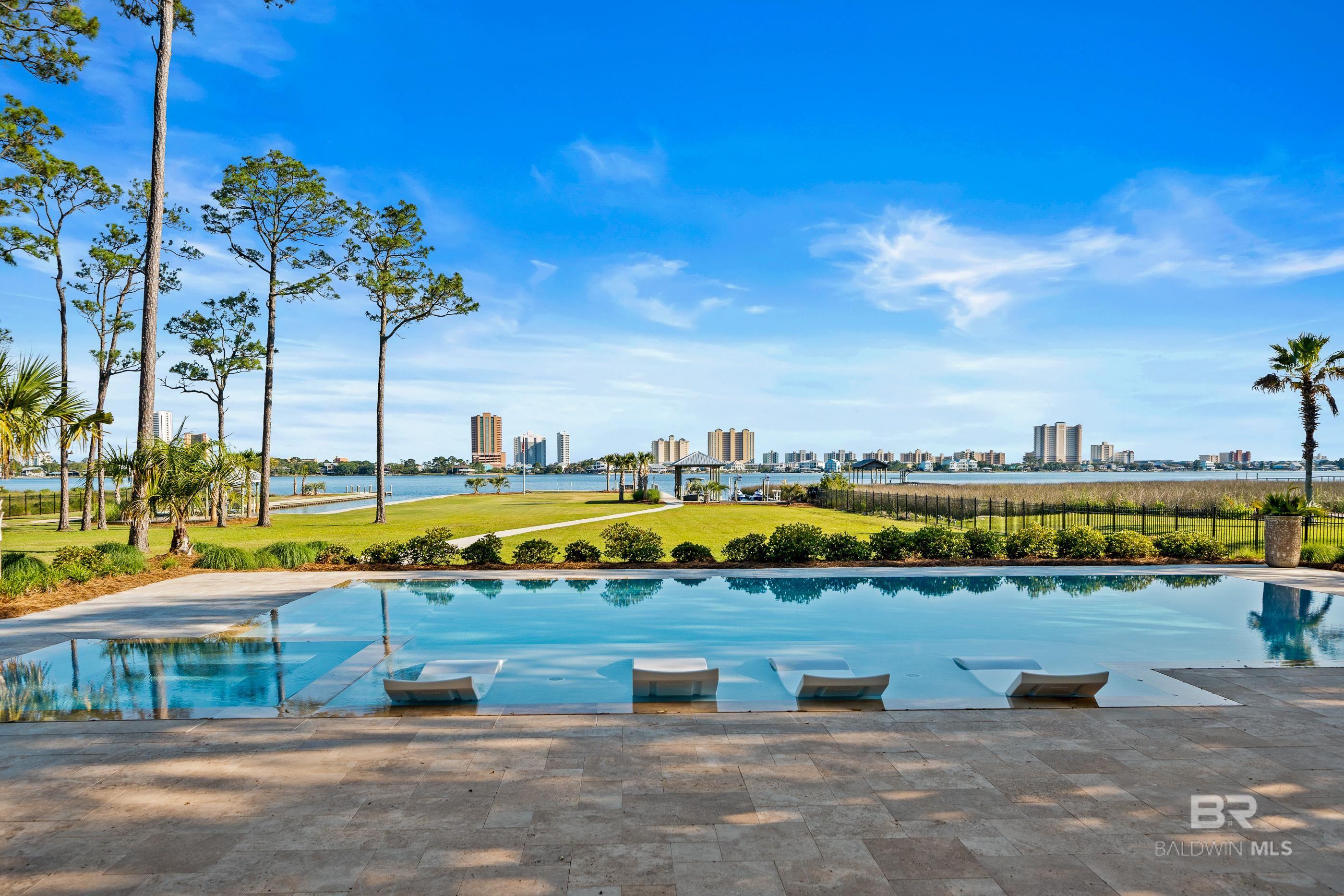
Lagoon and Bayfront Streets
Planned and Resort-Style Communities
Exclusive Inland and Elevated Pockets
Key Traits of Coveted Streets and Estates
Location in these addresses generally aligns with:
Market Behavior Notes
In Gulf Shores, these streets and estates represent the upper tiers of location value, blending coastal exposure, community amenities, and long-term desirability within a constrained supply environment.
Gulf Shores is well suited for buyers who prioritize lifestyle, flexibility, and coastal access over traditional suburban norms. It is not a one-size-fits-all market, but for the right profiles, it offers long-term satisfaction and strategic value.
Ideal for Primary Residents Who:
Well-Matched for Second-Home Buyers Who:
Attractive to Investors Who:
Popular Among Retirees Who:
Less Ideal for Buyers Who:
Gulf Shores appeals most to buyers who understand that coastal living comes with trade-offs. For those who value beach access, natural beauty, and real estate flexibility—and who approach ownership with informed expectations—Gulf Shores offers a distinctive and enduring coastal lifestyle.
There's plenty to do around Gulf Shores, including shopping, dining, nightlife, parks, and more. Data provided by Walk Score and Yelp.
Explore popular things to do in the area, including Amelia's Deli & Catering, Brookman's Smokehouse, and Nelson's Inshore Charter Fishing.
| Name | Category | Distance | Reviews |
Ratings by
Yelp
|
|---|---|---|---|---|
| Dining · $ | 4.64 miles | 16 reviews | 4.9/5 stars | |
| Dining | 4.29 miles | 13 reviews | 4.9/5 stars | |
| Active | 1.89 miles | 8 reviews | 5/5 stars | |
| Active | 4.49 miles | 5 reviews | 5/5 stars | |
| Active | 4.35 miles | 6 reviews | 5/5 stars | |
| Active | 4.41 miles | 10 reviews | 5/5 stars | |
| Beauty | 4.62 miles | 6 reviews | 5/5 stars | |
| Beauty | 4.63 miles | 5 reviews | 5/5 stars | |
| Beauty | 3.93 miles | 6 reviews | 5/5 stars | |
| Beauty | 4.23 miles | 5 reviews | 5/5 stars | |
| Beauty | 4.71 miles | 5 reviews | 5/5 stars | |
|
|
||||
|
|
||||
|
|
||||
|
|
||||
|
|
||||
|
|
Gulf Shores has 7,947 households, with an average household size of 2.18. Data provided by the U.S. Census Bureau. Here’s what the people living in Gulf Shores do for work — and how long it takes them to get there. Data provided by the U.S. Census Bureau. 17,335 people call Gulf Shores home. The population density is 333.43 and the largest age group is Data provided by the U.S. Census Bureau.
Total Population
Population Density Population Density This is the number of people per square mile in a neighborhood.
Median Age
Men vs Women
Population by Age Group
0-9 Years
10-17 Years
18-24 Years
25-64 Years
65-74 Years
75+ Years
Education Level
Total Households
Average Household Size
Average individual Income
Households with Children
With Children:
Without Children:
Marital Status
Blue vs White Collar Workers
Blue Collar:
White Collar:
I promise 3 things: 1. I will be on time. 2. I will be brutally honest. 3 I will always do what I say I'm going to do. As your Real Estate Consultant, there are 3 Things I am going to do for you: 1. Consult with you. 2. Negotiate for you. 3. Handle all the details for you.