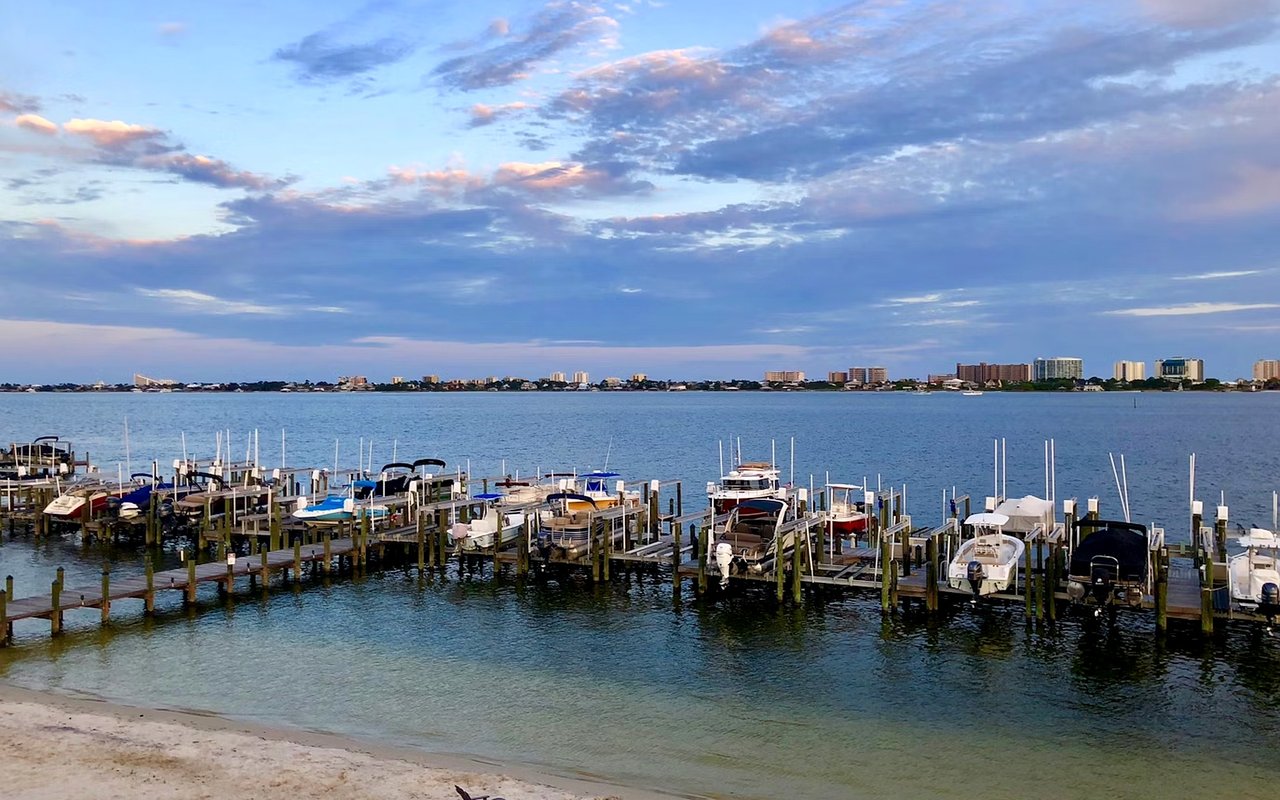
Orange Beach is known today for white-sand beaches, waterways, and recreation, but its roots stretch far deeper than its modern reputation. The history of Orange Beach AL includes Indigenous communities, maritime traditions, fishing heritage, and early settlement patterns that shaped the city’s identity long before it became a coastal destination. When you look closer, you find a community shaped by its natural environment and strengthened by generations of residents tied to the Gulf of Mexico.
This guide highlights the stories, landmarks, and cultural touchpoints that define Orange Beach’s past and show how its heritage continues to influence the present.
Indigenous Roots and Early Inhabitants
Long before European settlers arrived, the region we now call Orange Beach was home to Native American communities, including tribes connected to the Mississippian culture. Archaeological findings throughout Baldwin County indicate that Indigenous groups thrived along the coastal bays and river systems, relying on an abundance of shellfish, fish, and wild game.
You can still learn about this history at archaeological sites and museums across the region, some of which display pottery, tools, and shell mounds that reflect a sophisticated understanding of coastal life. These artifacts demonstrate that Orange Beach’s earliest residents had a deep connection to the land, shaping the cultural foundation that exists today.
You can still learn about this history at archaeological sites and museums across the region, some of which display pottery, tools, and shell mounds that reflect a sophisticated understanding of coastal life. These artifacts demonstrate that Orange Beach’s earliest residents had a deep connection to the land, shaping the cultural foundation that exists today.
Spanish and French Influence Along the Gulf Coast
European influence in the Orange Beach area began in the 1500s with Spanish expeditions, followed later by French settlers. Although the city itself was not a major settlement site during this period, its coastline sat near important Gulf routes used by explorers, traders, and military forces.
These early encounters brought new trade networks, navigation knowledge, and cultural exchange to the region. The Gulf Coast's layered identity is still evident today in regional place names, food traditions, and architectural influences found throughout coastal Alabama.
These early encounters brought new trade networks, navigation knowledge, and cultural exchange to the region. The Gulf Coast's layered identity is still evident today in regional place names, food traditions, and architectural influences found throughout coastal Alabama.
Early Fishing Communities and Maritime Traditions
Fishing has always been essential to the history of Orange Beach AL. Early settlers relied heavily on the Gulf’s rich waters for livelihood, using small wooden boats and simple nets to catch species like red snapper, grouper, and mackerel. Families passed down maritime knowledge through generations, forming tight-knit fishing communities.
As fishing methods modernized, Orange Beach evolved into one of the area’s most respected commercial and recreational fishing hubs. Today’s charter fleet at the Orange Beach Marina reflects that lineage, carrying forward a tradition that remains central to the city’s identity.
As fishing methods modernized, Orange Beach evolved into one of the area’s most respected commercial and recreational fishing hubs. Today’s charter fleet at the Orange Beach Marina reflects that lineage, carrying forward a tradition that remains central to the city’s identity.
The Era of Turpentine Camps and Logging
In the late 19th and early 20th centuries, the production of turpentine and timber played a significant role in shaping the Orange Beach economy. Dense pine forests throughout Baldwin County supported a thriving industry centered on resin harvesting and lumber milling. Camps and small communities formed near these worksites, attracting laborers who contributed to the local economy.
Although the industry declined as forest resources diminished and economic priorities shifted, remnants of this era (old rail beds, company records, and worker housing sites) still provide insight into the working life of early residents.
Although the industry declined as forest resources diminished and economic priorities shifted, remnants of this era (old rail beds, company records, and worker housing sites) still provide insight into the working life of early residents.
Evolution of Waterfront Settlements and Family Homesteads
By the early 1900s, more families began establishing homesteads along the bays and Gulf-facing areas. Many built simple wooden houses elevated on pilings to protect against flooding, using materials sourced directly from local forests. These early settlers balanced fishing, small-scale farming, and boatbuilding.
Some of these families remain influential in Orange Beach today, with descendants preserving personal histories, photographs, and stories that give texture to the city’s evolution. Their presence reinforces the sense of continuity between the city’s early days and modern coastal life.
Some of these families remain influential in Orange Beach today, with descendants preserving personal histories, photographs, and stories that give texture to the city’s evolution. Their presence reinforces the sense of continuity between the city’s early days and modern coastal life.
The Growth of Gulf Tourism and Resort Development
Tourism began to take shape in Orange Beach in the mid-20th century as improved roads and bridges made the area more accessible. Early visitors were drawn by quiet beaches, fishing opportunities, and the charm of Alabama’s coastline. Small motels, beach cottages, and marinas gradually emerged to meet the growing demand.
By the 1990s and early 2000s, Orange Beach experienced substantial growth, with the addition of resorts, restaurants, golf courses, and cultural venues. This transformation reshaped the local economy, but the city has continued to highlight its heritage through historical markers, community events, and preservation initiatives.
By the 1990s and early 2000s, Orange Beach experienced substantial growth, with the addition of resorts, restaurants, golf courses, and cultural venues. This transformation reshaped the local economy, but the city has continued to highlight its heritage through historical markers, community events, and preservation initiatives.
Cultural Preservation Through Local Museums and Landmarks
Local museums and historical sites help preserve and share the history of Orange Beach AL. The Orange Beach Indian & Sea Museum, originally built as a school in 1910, is now one of the best places to learn about Indigenous artifacts, early fishing families, and maritime traditions.
Visitors can also explore nearby heritage sites in Baldwin County that complement Orange Beach’s story, including preserved homesteads, interpretive trails, and historic districts. Together, they provide a more comprehensive understanding of how people have shaped and been shaped by this coastal environment.
Visitors can also explore nearby heritage sites in Baldwin County that complement Orange Beach’s story, including preserved homesteads, interpretive trails, and historic districts. Together, they provide a more comprehensive understanding of how people have shaped and been shaped by this coastal environment.
The Transformation Into a Modern Coastal Community
In recent decades, Orange Beach has grown steadily while preserving its rich history. Its identity is grounded in its waterways, fishing traditions, and early settlement patterns, even as it embraces amenities such as waterfront dining, cultural festivals, and outdoor recreation.
You can see this blending of old and new in neighborhoods that integrate natural landscapes, marinas that celebrate fishing culture, and public spaces designed to respect local heritage. The city continues to strike a balance between growth and preservation, keeping its history visible even as it modernizes.
You can see this blending of old and new in neighborhoods that integrate natural landscapes, marinas that celebrate fishing culture, and public spaces designed to respect local heritage. The city continues to strike a balance between growth and preservation, keeping its history visible even as it modernizes.
Work With the Local Expert in Orange Beach
Orange Beach’s heritage is deeply rooted in its land, water, and the generations that have shaped the city over time. Understanding this history helps buyers and sellers appreciate what makes each property and neighborhood unique.
Matthew Welch brings local insight and a deep understanding of Orange Beach’s character to every client relationship. For guidance rooted in both expertise and a connection to the area’s past, reach out to Matthew Welch.
Matthew Welch brings local insight and a deep understanding of Orange Beach’s character to every client relationship. For guidance rooted in both expertise and a connection to the area’s past, reach out to Matthew Welch.