1,671 people live in Perdido Key, where the median age is 60 and the average individual income is $100,730. Data provided by the U.S. Census Bureau.
Total Population
Median Age
Population Density Population Density This is the number of people per square mile in a neighborhood.
Average individual Income
Perdido Key earns its name. Spanish for "lost" or "hidden," this 16-mile barrier island tucked into Florida's extreme northwestern corner remains one of the Gulf Coast's best-kept secrets — and its most discerning residents prefer it that way.
Where Destin leans into commercialization and Panama City Beach draws the spring break crowd, Perdido Key has quietly become the address of choice for buyers who want the Gulf of Mexico at their doorstep without the congestion. More than 60% of the island is permanently protected from development, a figure that sets this community apart from virtually every other coastal market in the Southeast. That's not a statistic — it's a lifestyle guarantee.
The permanent resident base is a mix of retired military families, remote professionals who relocated during and after the pandemic, and long-tenured locals who wouldn't trade their view for anything. In summer, the island swells with second-home owners who keep condos and estates here for the season. The pace is unhurried. The waters are clear. The culture runs deeper than most beach destinations allow.
What makes Perdido Key compelling to serious buyers is the balance it strikes: genuine natural beauty protected by federal and state law, a maturing luxury real estate market, and a community identity that resists the strip-mall sprawl seen elsewhere on the Panhandle.
Perdido Key's story begins in 1693, when Spanish cartographer Carlos de Sigüenza y Góngora struggled to locate the entrance to the bay until local Pensacola and Creek tribe members guided him to the inlet. He named it "Perdido" — lost — and the name stuck in more ways than one.
For most of its early history, the key was not an island at all. It was a peninsula connected to the mainland until 1933, when a Depression-era government project widened a small creek into the Gulf Intracoastal Waterway, physically severing the land and creating the island that exists today.
Through the first half of the 20th century, the military claimed most of this territory. Coastal defense batteries — Battery 233 and Battery Slemmer among them — were positioned here during both World Wars, and the land served as the Gulf Beach Gunnery Range. When the Navy declared the land surplus in 1954, a group of roughly 100 private citizens banded together under what became the Perdido Key Association and successfully lobbied the government to allow individual bids rather than selling the entire parcel to a single developer. The result was the Gulf Beach Subdivision of 1957, with beachfront lots originally selling for around $2,700.
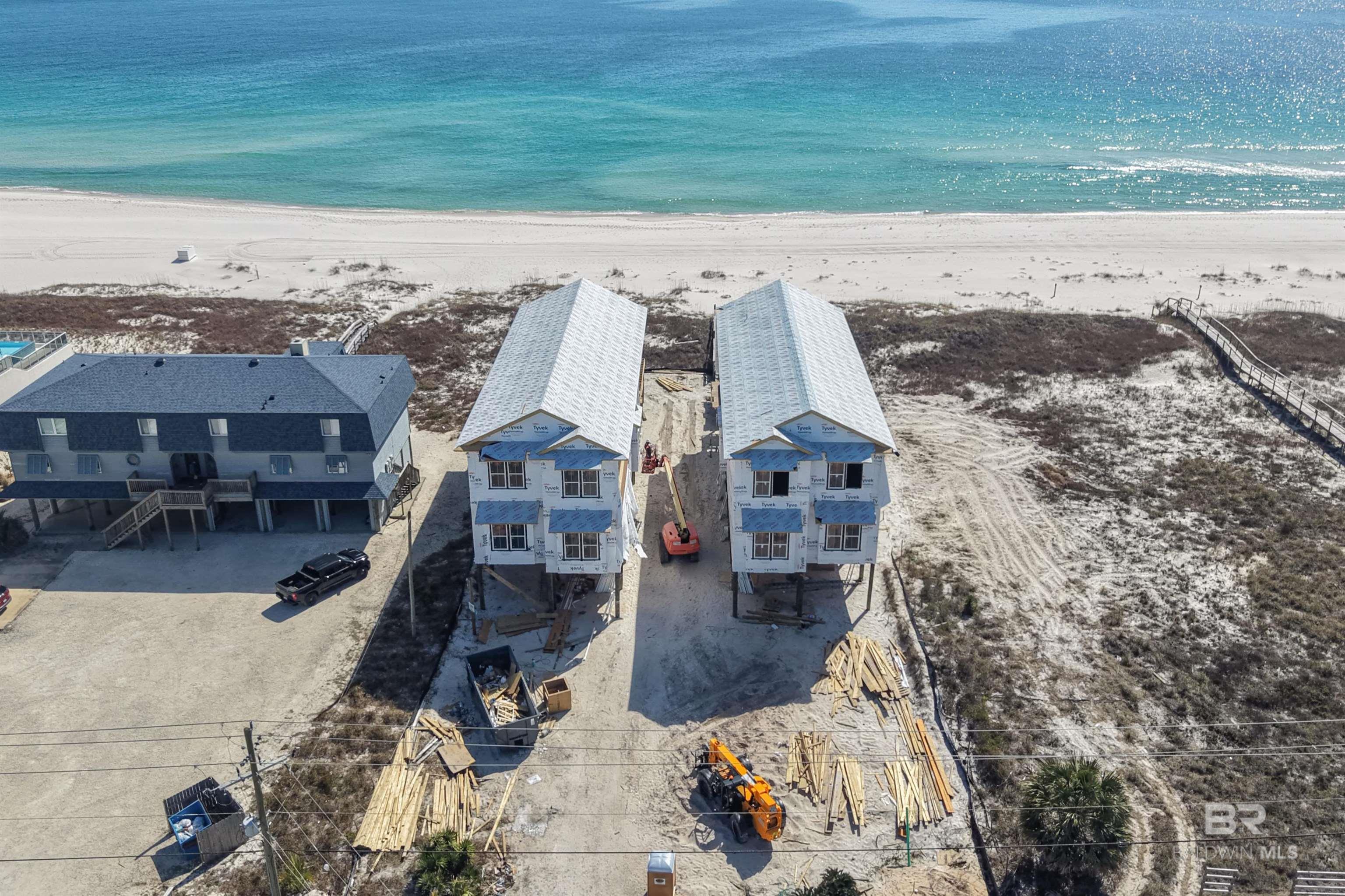
Development through the mid-to-late 20th century remained sparse and deliberately modest — simple wooden cottages built in the "old Florida" vernacular that defined much of the Panhandle. Hurricane Ivan in 2004 fundamentally changed the island's architectural character. The storm wiped out much of that older housing stock and what replaced it was a new generation of elevated stilt homes and luxury high-rise condominiums engineered to meet stringent coastal building codes. The Perdido Key you find today — with its sleek towers, private boat slips, and resort-caliber amenities — is largely a post-Ivan construction.
Perdido Key sits at the westernmost edge of the Florida Panhandle, directly on the Florida-Alabama border. The Gulf of Mexico runs along its southern shore; the Intracoastal Waterway and Old River define its northern boundary. To the east is Pensacola Pass; to the west is Alabama, where the iconic Flora-Bama lounge marks the state line.
In practical terms, the key sits roughly 15 miles southwest of downtown Pensacola and just minutes from Orange Beach, Alabama — a proximity that gives residents access to two states' worth of services, shopping, and amenities without surrendering the island's seclusion.
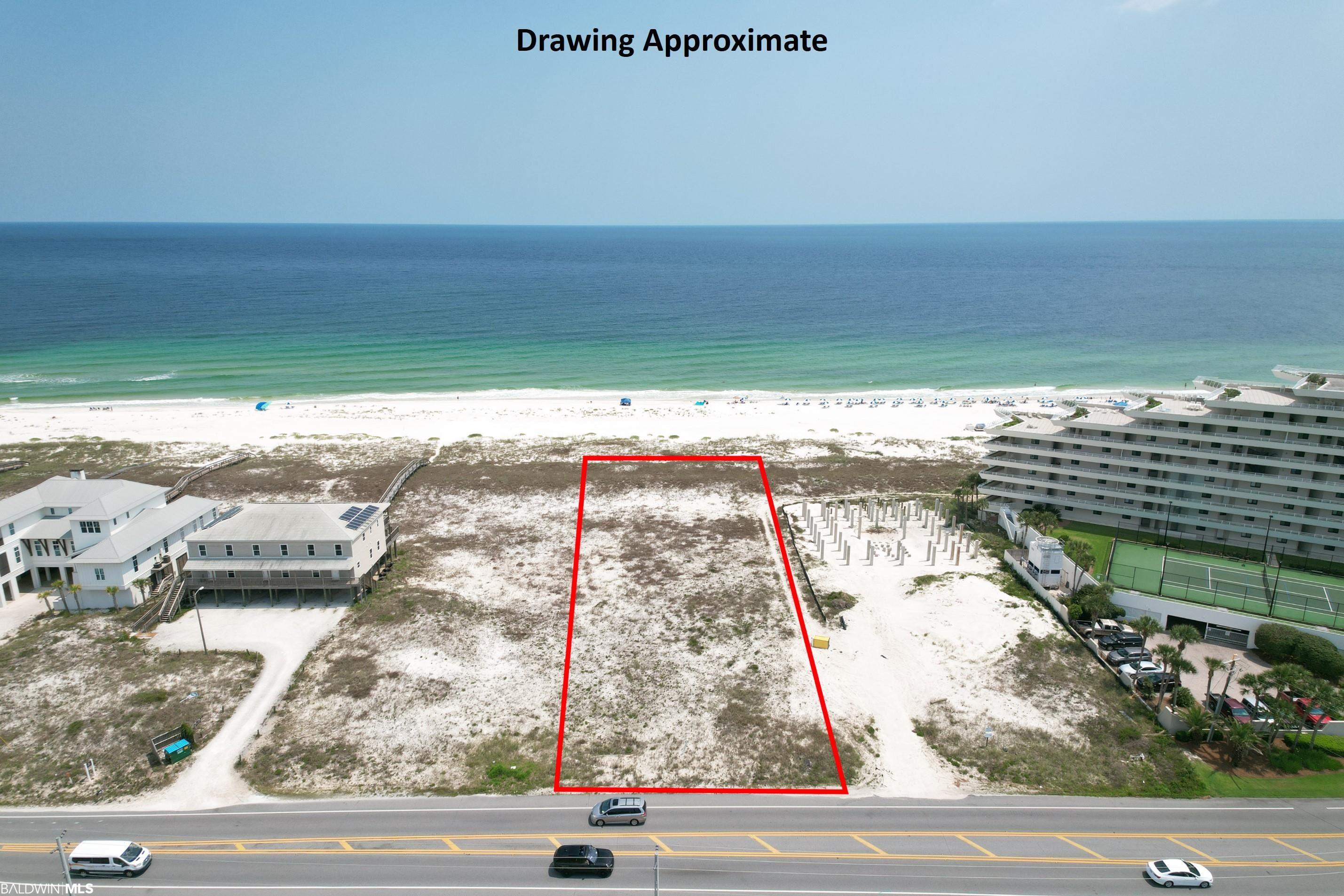
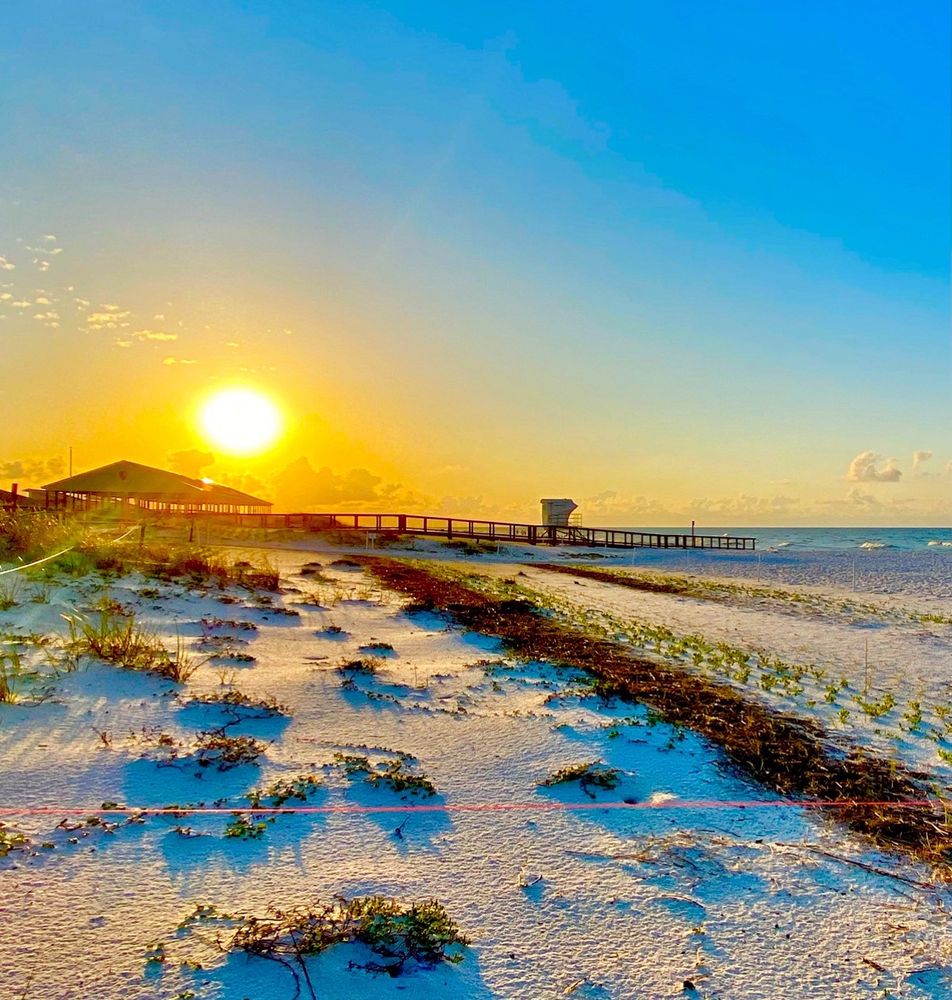
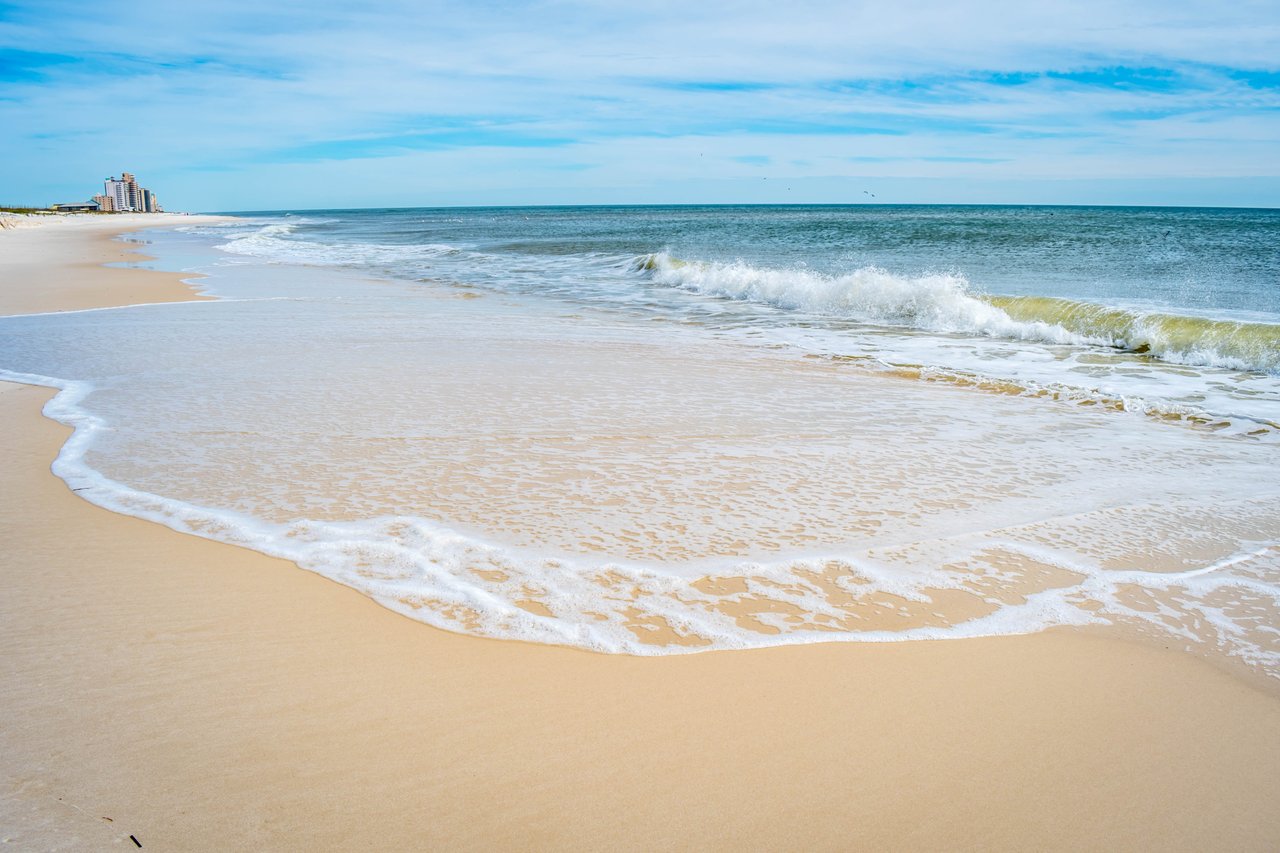
The island is narrow — often only a few hundred yards wide — and the terrain is defined by rolling dunes covered in sea oats and Florida rosemary. The sand itself is a geological curiosity: nearly pure quartz washed down from the Appalachian Mountains over millennia, which accounts for the snow-white color and the characteristic soft, squeaky texture underfoot.
The climate is humid subtropical. Summers run long and hot, with highs averaging around 90°F. Winters are mild, with lows rarely dropping below 45°F. The island is susceptible to tropical systems, and hurricanes have historically shifted the dune formations and moved the location of Perdido Pass itself — a reminder that coastal living here requires a respect for the environment's dynamism.
The Perdido Key market in early 2026 is best described as a healthy rebalancing. After the compressed, low-inventory conditions of 2021 through 2023, the market has shifted toward buyers, with increased supply giving purchasers room to negotiate that simply didn't exist two years ago.
Median home prices have settled around $548,000 — a notable softening from the mid-$600,000s seen at the 2025 peak. Homes are averaging 120 to 150 days on market, compared to roughly 70 days a year prior, and the sale-to-list ratio sits at approximately 96 to 97 percent. Inventory has expanded to 5 to 9 months of supply, which is a meaningful shift from the near-zero inventory environment buyers previously faced.
That said, this is not a distressed market. High-quality, turn-key beachfront units and waterfront estates continue to command premium pricing and move faster than the broader averages suggest. The softening is most pronounced in mid-tier condos and investment-oriented properties where buyers are factoring rising HOA fees and insurance costs into their total cost of ownership calculations.
For buyers, the window to act with leverage is now. For sellers, the era of aspirational pricing has passed — accurate positioning against total carrying cost is the new standard.
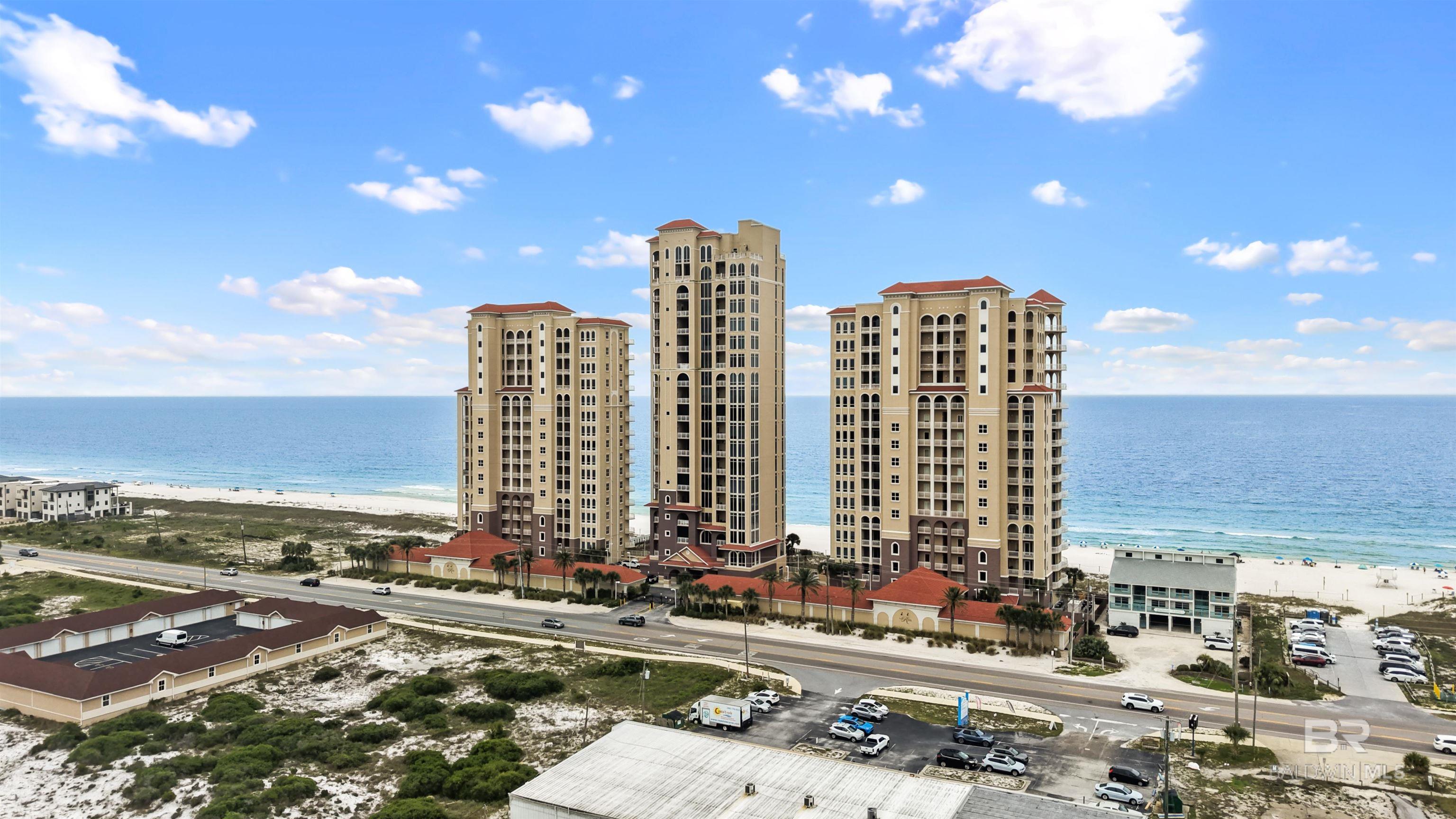
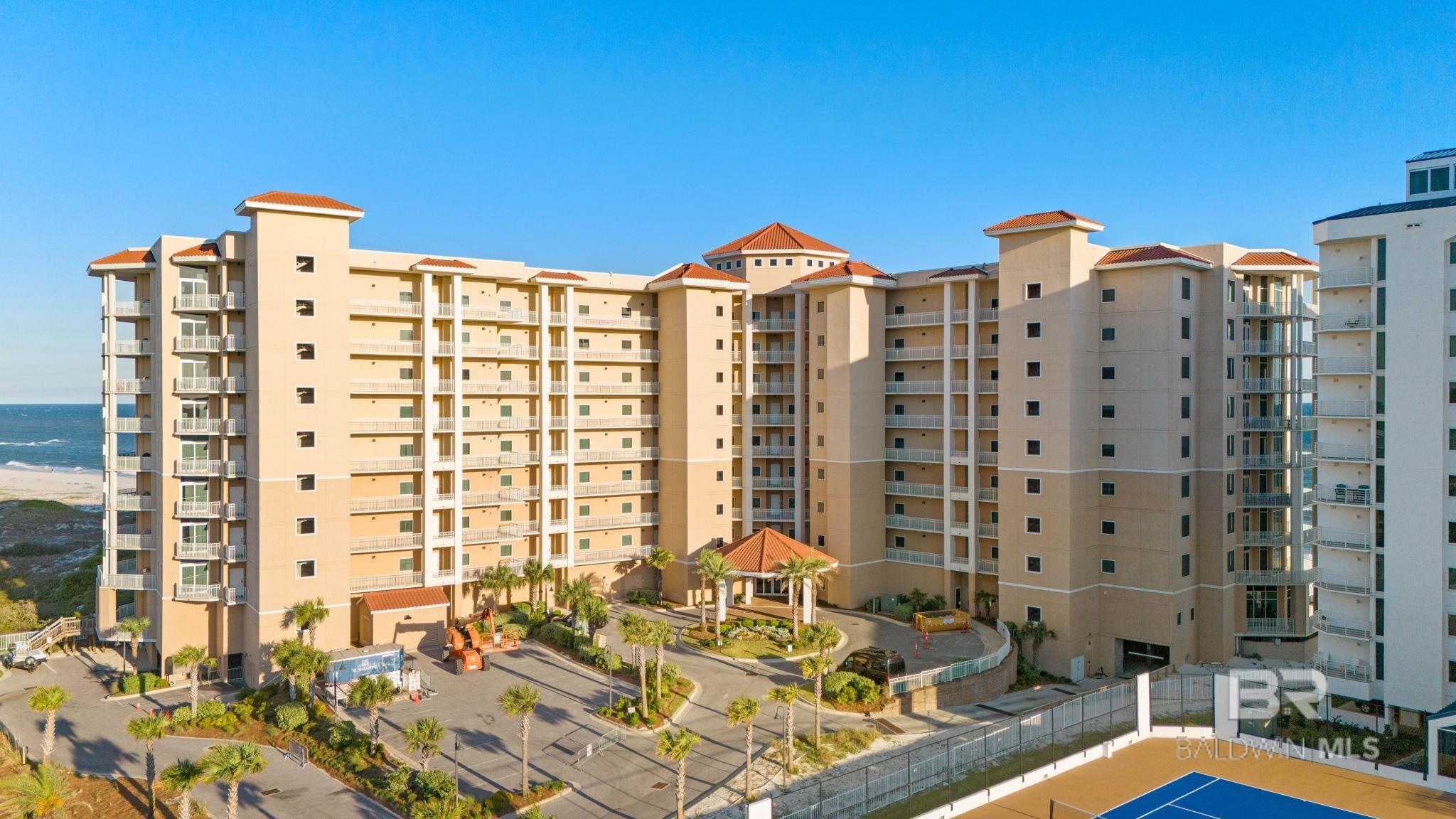
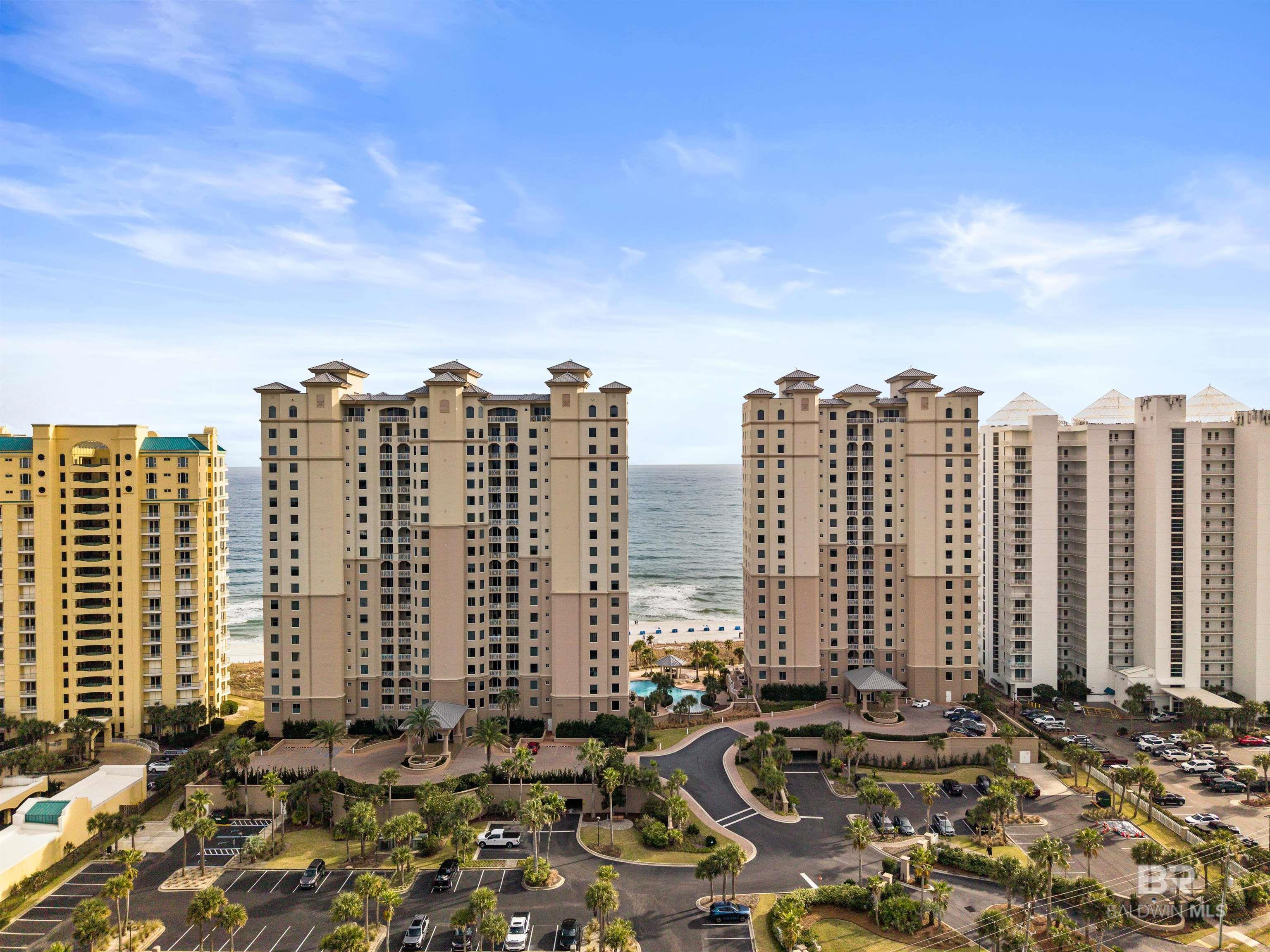
Condominiums dominate the Perdido Key housing stock. Luxury high-rises — Vista Del Mar, Indigo, La Riva — offer Gulf-front living with private elevators, resort-grade amenities, and expansive balconies. These properties are frequently held as second homes or used to generate short-term rental income during peak season. Resort-style communities like Lost Key Golf & Beach Club offer a different flavor: villas and townhomes arranged around shared amenities including pools, fitness centers, and an Arnold Palmer-designed golf course.
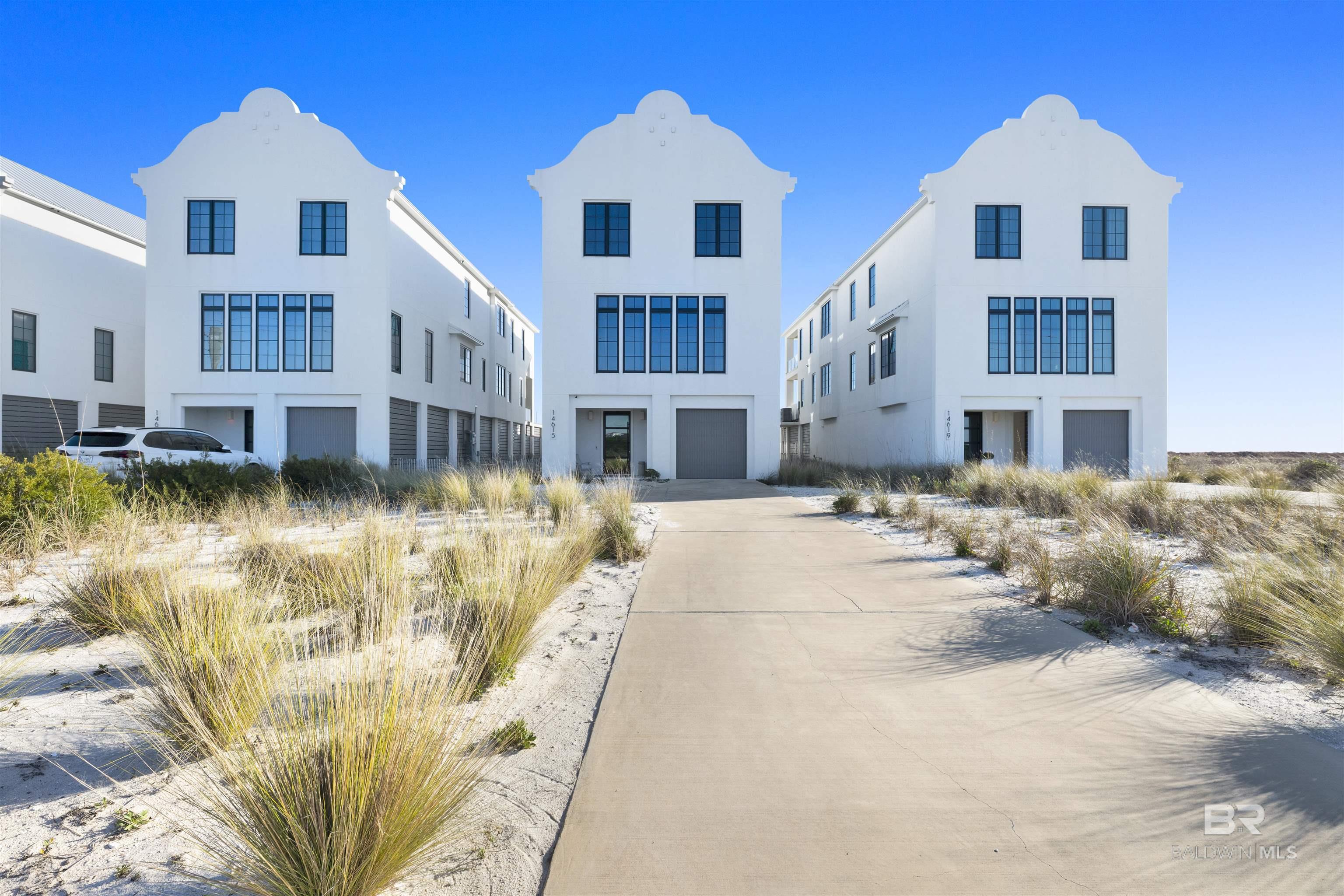
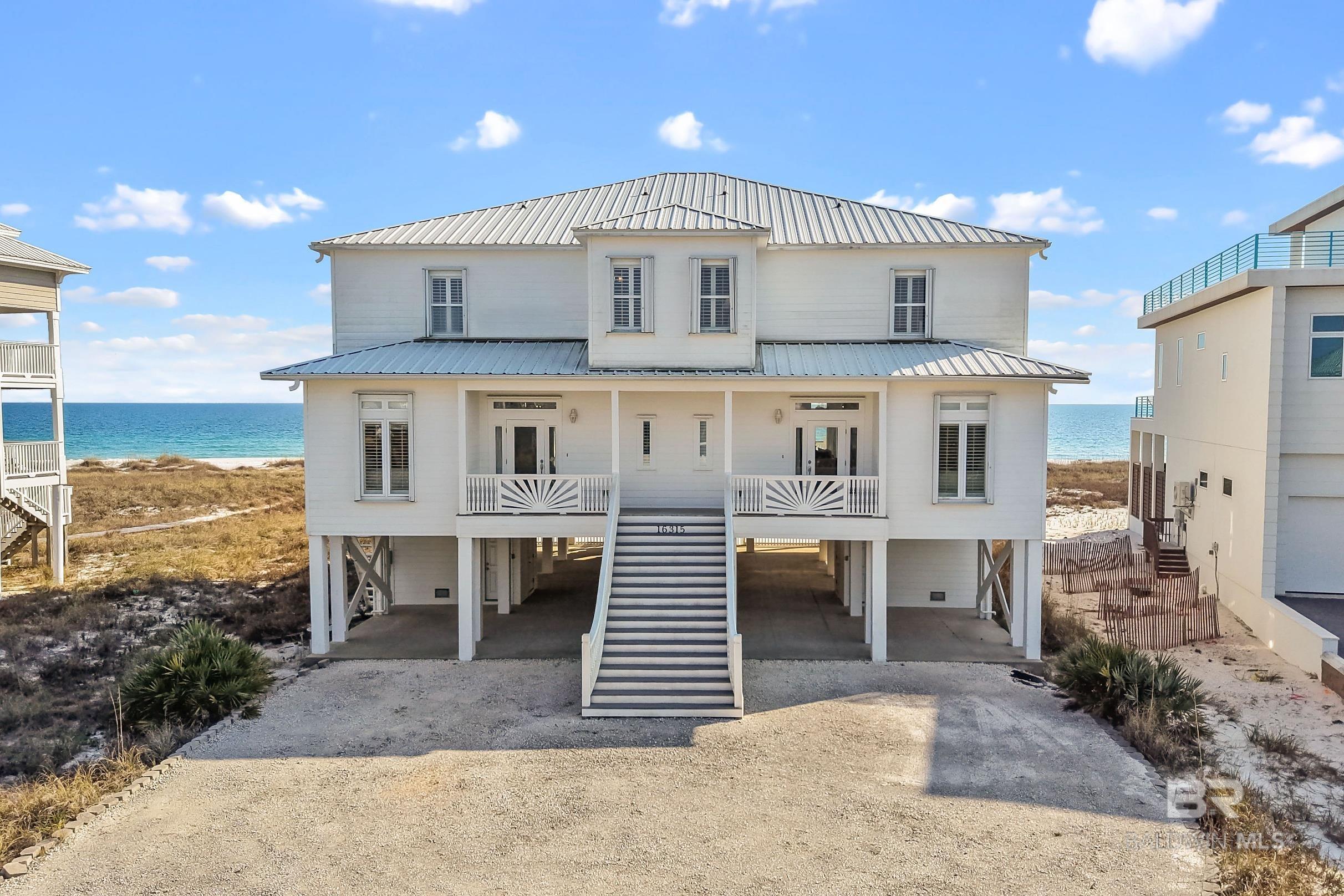
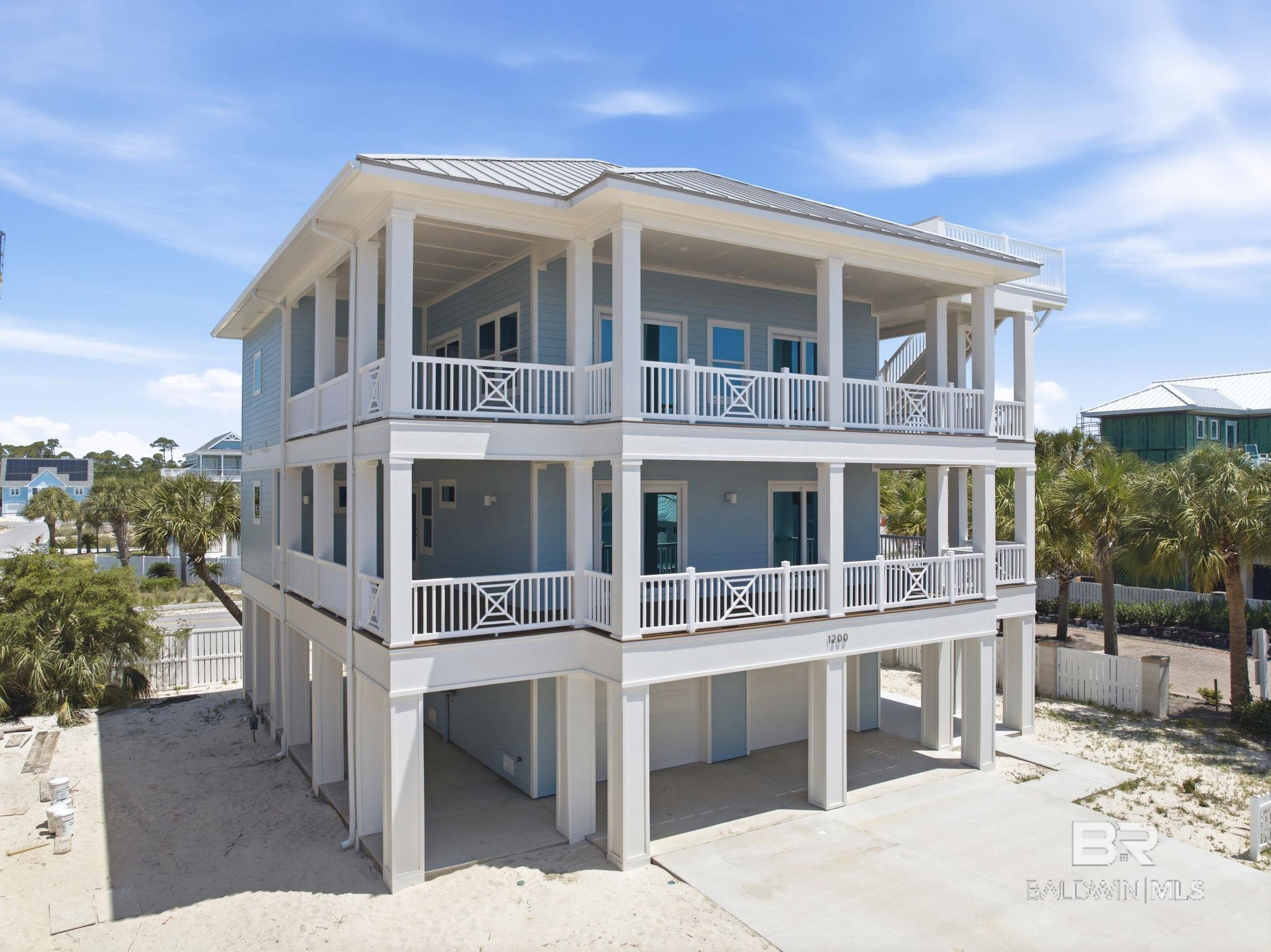
Single-family homes are less common but worth seeking out for buyers who prioritize privacy and space. Waterfront estates along the Old River and the Sound often include private boat slips — a significant draw for boating and fishing-oriented buyers. The stilt-house typology, built on pilings per Florida coastal flood code, has become the modern interpretation of the classic Florida beach cottage, and many of these homes are architecturally striking. Inland subdivisions like Heron's Walk offer a more traditional residential experience preferred by year-round residents for their proximity to schools and services.
Townhomes and multi-family properties occupy the middle ground. The Innerarity Point area in particular offers water-access properties with a median closer to $350,000, making it one of the more accessible entry points on the island for buyers who want the waterfront lifestyle without the beachfront premium.
Moving to a barrier island is a distinct experience that rewards preparation.
Florida requires new residents to obtain a state driver's license and register their vehicles within 30 days of establishing residency. Bring your out-of-state title, proof of Florida insurance, and two documents confirming your Perdido Key address to the DMV.
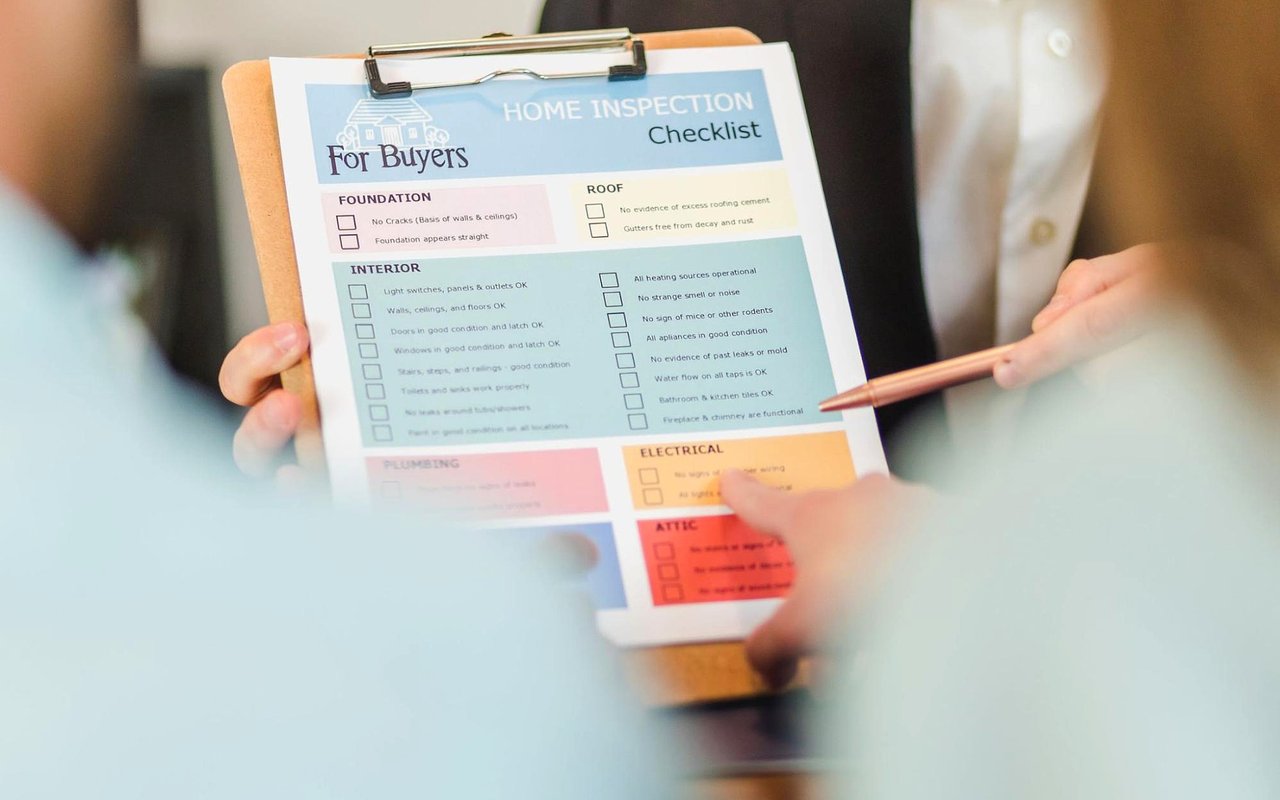
Insurance is the single most important financial consideration for new residents, and it catches many buyers off guard. Standard homeowners policies do not cover flood or storm surge. You will likely need a separate NFIP or private flood policy in addition to a windstorm policy. Before closing, request a Wind Mitigation Report from your inspector — it can meaningfully reduce your annual premiums and is well worth the cost.
If you're purchasing in a condo building, review the building's Structural Integrity Reserve Study (SIRS) carefully. Florida law now mandates these studies for buildings three stories and higher, and associations with deferred maintenance have been issuing significant special assessments. This is not fine print — it's a potential five-figure expense that buyers need to account for.
On a more practical level: during peak tourist season from March through August, Perdido Key Drive can bottleneck badly near the Flora-Bama corridor. Locals use Innerarity Point Road and Bauer Road to bypass the congestion when heading into Pensacola for major shopping or appointments.
Finally, if you're moving here between May and October, orient yourself to sea turtle nesting season. Amber-hued, turtle-friendly exterior lighting is not just expected in this community — it reflects a conservation ethos that runs deep among permanent residents.
Perdido Key is in the middle of a deliberate evolution from a loosely organized beach community into a more cohesive residential destination, and several projects currently underway reflect that shift.
The Perdido Key Master Plan is guiding the development of a proper Town Center along the corridor between Semmes Road and River Road. The county is incentivizing mixed-use, walkable development — boutiques, cafes, professional offices — to replace the strip-mall commercial pattern that characterized earlier decades of growth.
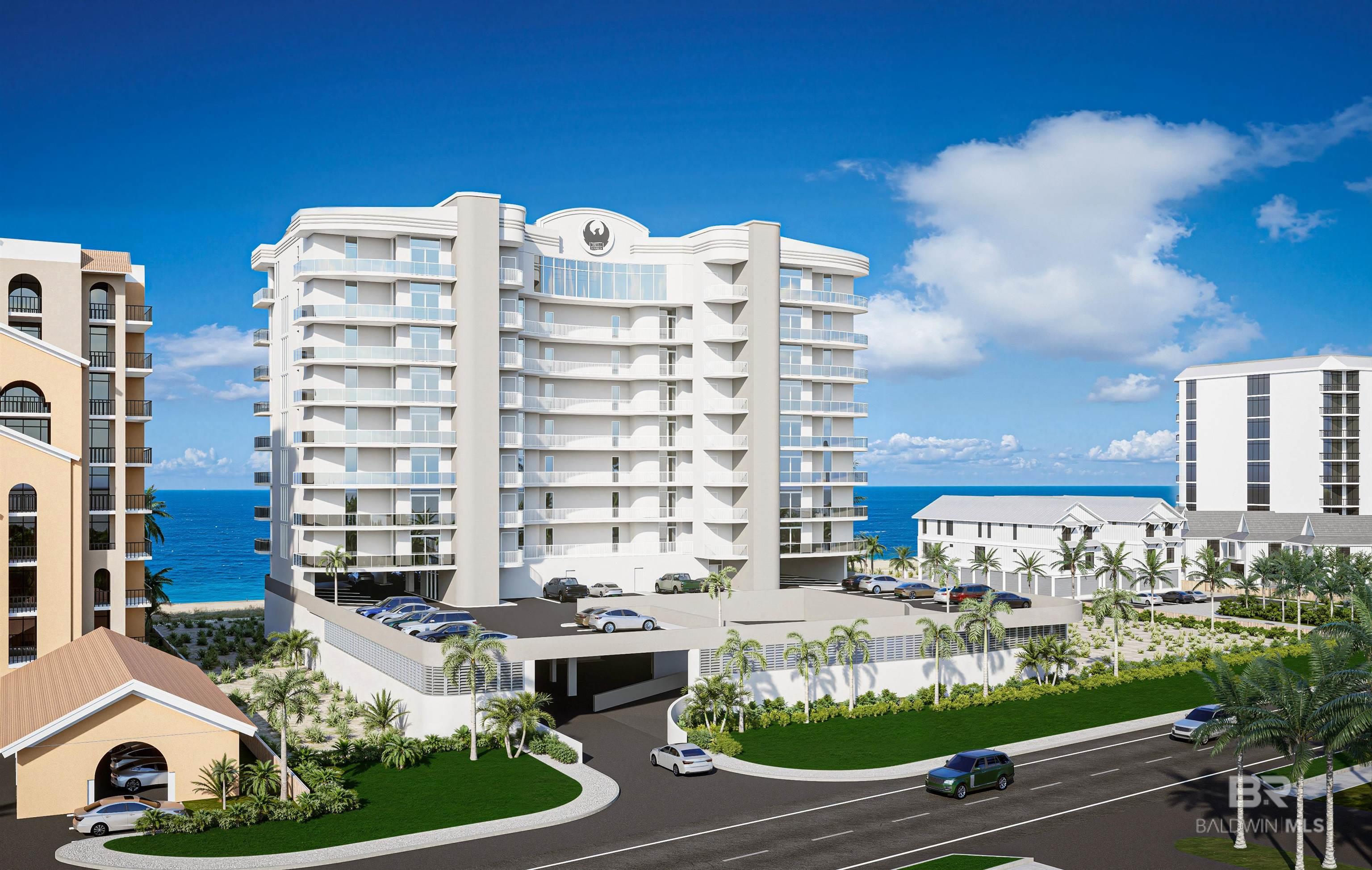
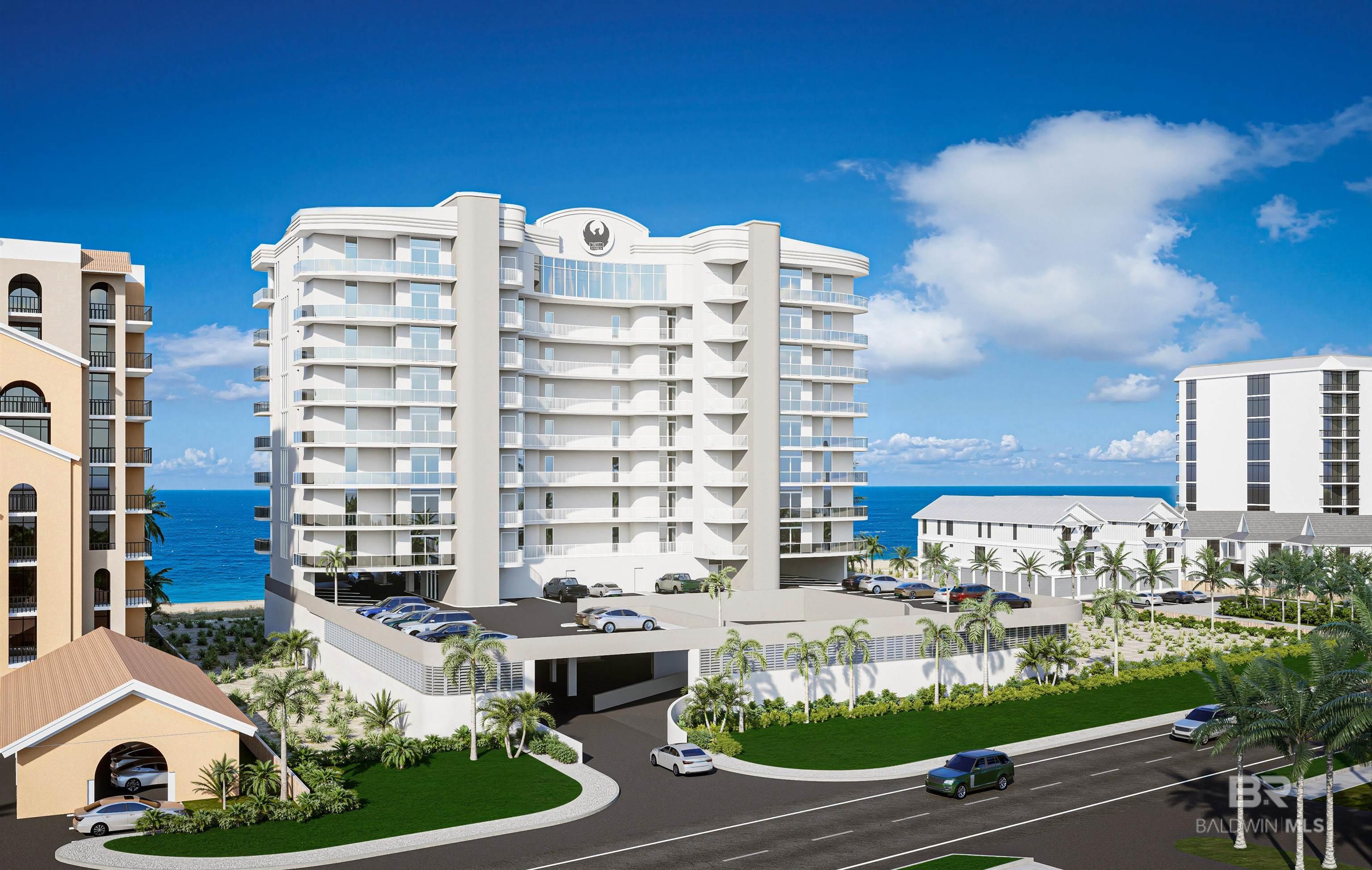
On the residential side, several notable projects are in active development or recently completed as of 2026. The Meridian is an ultra-luxury beachfront project defined by its exceptionally wide terraces. Phoenix Key, a low-density tower designed to feel more like private beach homes than a traditional condo building, recently opened with units reaching up to five bedrooms. Lennar and D.R. Horton continue building out the Lost Key Golf & Beach Club and Arborgate areas with new detached villas and townhomes.
Infrastructure investment is also ongoing. Beach renourishment work continued through 2025 and into 2026 to address erosion and protect coastal habitat. The Perdido Key Multi-Use Path, now completed at 6.5 miles of continuous paved surface, runs the length of the island and connects the state and national parks — a quality-of-life improvement that has been well-received by residents and is a genuine amenity for prospective buyers to factor in.
Purchasing on a barrier island requires a level of due diligence that goes beyond what inland buyers typically encounter. In 2026, three issues dominate the conversation: structural integrity, insurance, and total carrying cost.
For condo buyers specifically, the SIRS report is non-negotiable. Florida law now requires these structural reserve studies for buildings three stories or taller, and associations that have underfunded their reserves are issuing special assessments to compensate. Ask for the report, review the funding status, and factor any near-term assessments into your offer.
Flood zone designation will define your insurance costs. Most of Perdido Key falls within FEMA high-risk zones — Zone VE carries the highest exposure, with annual premiums frequently ranging from $5,000 to $15,000 or more. An elevation certificate from the seller is worth requesting; even a modest elevation above the Base Flood Elevation can produce meaningful annual savings.
HOA and condo association fees have risen 15 to 30 percent across many buildings as they come into compliance with state reserve mandates. Don't evaluate a property based on the monthly fee alone — understand what it covers, what the reserve status is, and what the trajectory looks like.
Two additional items often overlooked: confirm whether your parking is deeded or first-come, first-served, and if you intend to use the property as a short-term rental, verify the specific condo's bylaws. Many buildings have moved to 30-day minimum rental requirements as they tighten restrictions.
Timing and pricing discipline are the two variables that separate successful sellers in the current Perdido Key market from those who sit on the market for six months.
The optimal listing window is late February to early March. Buyers who want to be under contract and moved in before the peak summer rental season begin their search in earnest at this time, and there is a real financial motivation for them to close quickly. Listings that arrive in April or May miss that buyer cohort.
Pricing in 2026 must account for total cost of ownership, not just comparable sales. Buyers are running their own numbers on insurance, HOA fees, and potential assessments before they make offers. A property with elevated carrying costs needs to reflect that reality in its list price to remain competitive — the market is too data-literate now for that friction to go unaddressed.
The highest-ROI pre-sale improvements are structural, not cosmetic. A roof over ten to fifteen years old will complicate the transaction, both with buyers and their insurance carriers. Impact-resistant windows are now the standard expectation for luxury buyers on the Panhandle — they reduce insurance costs and provide meaningful noise reduction from Gulf Beach Highway, and savvy buyers will notice their absence.
Staging should lean toward coastal minimalism. The "nautical" aesthetic — seashell wallpaper, rattan furniture, coastal novelty decor — has been replaced in buyer preference by clean lines, luxury vinyl plank flooring, and smart home technology. The buyer demographic skews toward remote workers relocating from the Northeast and Midwest for Florida's tax advantages, and real estate investors structuring 1031 exchanges. Both audiences respond to clean, move-in-ready presentation supported by rental history or pro forma income projections.
The Perdido Key dining scene is anchored by its most famous institution: the Flora-Bama Lounge, which straddles the Florida-Alabama state line and has been a defining fixture of this coastline for decades. Five stages of live music, the legendary Bushwacker cocktail, and the Flora-Bama Yacht Club's open-air waterfront dining make it as much a community gathering place as a bar. On Sunday mornings, locals attend "Church on the Bayou" there — which tells you something about how deeply the place is woven into the island's identity.
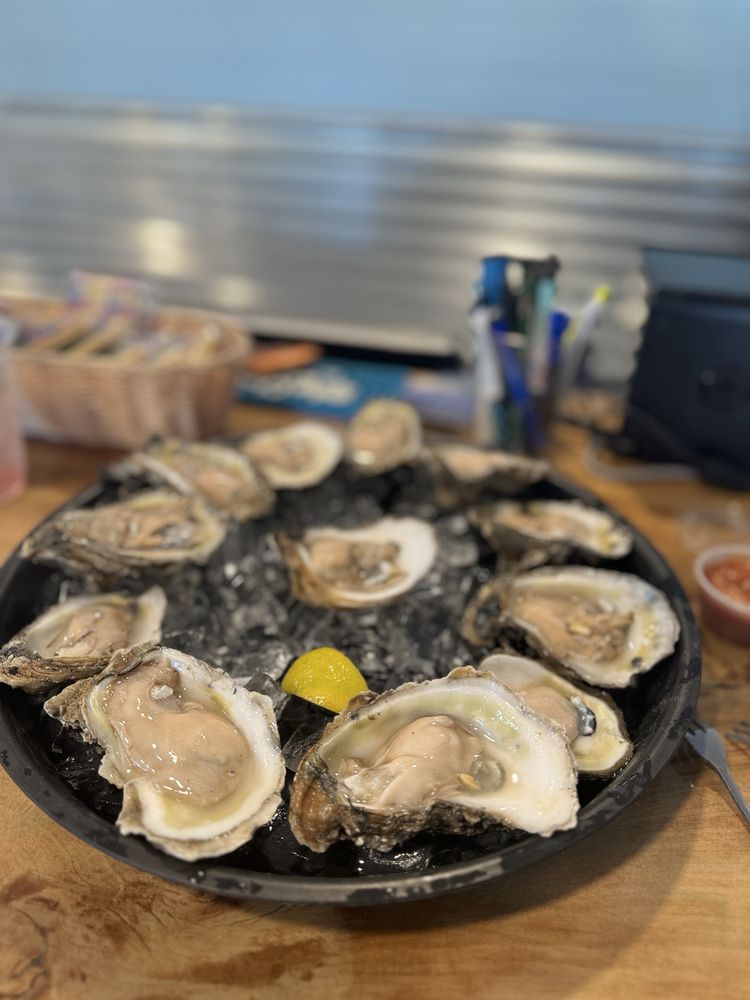
Beyond the Flora-Bama, the dining options are more intimate and locally oriented than the neighboring resort markets. Fisherman's Corner, tucked near the Theo Baars Bridge, has developed a following for its New Orleans-style Creole seafood. Jellyfish Restaurant & Sushi Bar at the Shops at Villagio offers a more contemporary experience with fresh sushi and an extensive martini menu. Salty Pearl Raw Bar draws the local crowd for fresh-shucked oysters and craft beer in a relaxed setting. Lillian's Pan Pizza has been feeding island families for years and remains a reliable neighborhood constant.
For concerts and larger entertainment, The Wharf at Orange Beach is fifteen minutes west and hosts the Wharf Amphitheater, which draws major touring acts annually. Locally, the community calendar is marked by the Interstate Mullet Toss in April, the Mullet Man Triathlon, and the Frank Brown International Songwriters' Festival every November — the latter drawing Grammy-winning writers to perform in intimate island venues.
Perdido Key's natural assets are, by a meaningful margin, the strongest recreational amenity package of any coastal market in the region.
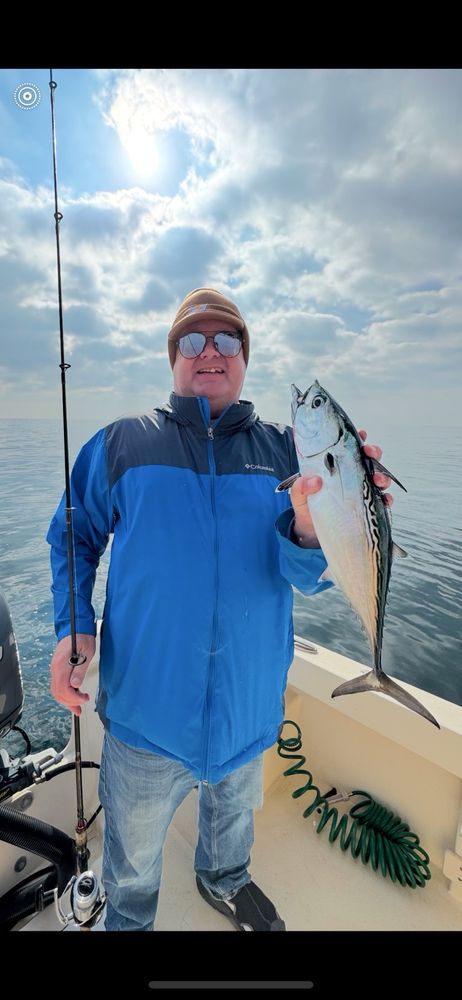
Johnson Beach, part of the Gulf Islands National Seashore, offers miles of undeveloped shoreline along with the Perdido Key Discovery Trail, an accessible boardwalk that moves through the dunes, and backcountry camping accessible by boat or on foot at the island's eastern tip. Perdido Key State Park provides 290 acres of high dunes and white sand — prime territory for surf fishing (pompano and redfish are the target species here), sea turtle spotting, and watching for the endangered Perdido Key Beach Mouse.
Big Lagoon State Park sits just across the bridge on the mainland and deserves more attention than it typically receives. Seven hundred acres of pine flatwoods, a three-story observation tower, and access to the Florida Circumnavigational Saltwater Paddling Trail make it a legitimate destination in its own right. It's also one of the better crabbing spots in the area.
Lost Key Golf Club offers an 18-hole championship course designed by Arnold Palmer, certified as an Audubon International Silver Signature Sanctuary. Wildlife sightings — deer, ospreys, bald eagles — are routine. The Old River and Big Lagoon provide calm, protected water for paddleboarding and kayaking, with boat rentals available through Holiday Harbor Marina for those wanting to explore the Intracoastal or head offshore. A reef located approximately 300 feet from the public beach is accessible to snorkelers and divers without a boat.
The completed 6.5-mile multi-use path now runs the length of the island, connecting residents to parks, beaches, and the Alabama line without requiring a car.
On-island retail on Perdido Key is intentionally restrained, which suits the community's character. The Villagio Town Centre is the island's central shopping hub — a Mediterranean-style open-air complex with local boutiques, art galleries, clothing stores, and specialty shops. It's the kind of destination where you'll find something genuinely local rather than a chain you've already seen elsewhere. The Market & Mainly Shoes carries name-brand coastal fashion, including Eileen Fisher and J Brand, and has a dedicated following among year-round residents.
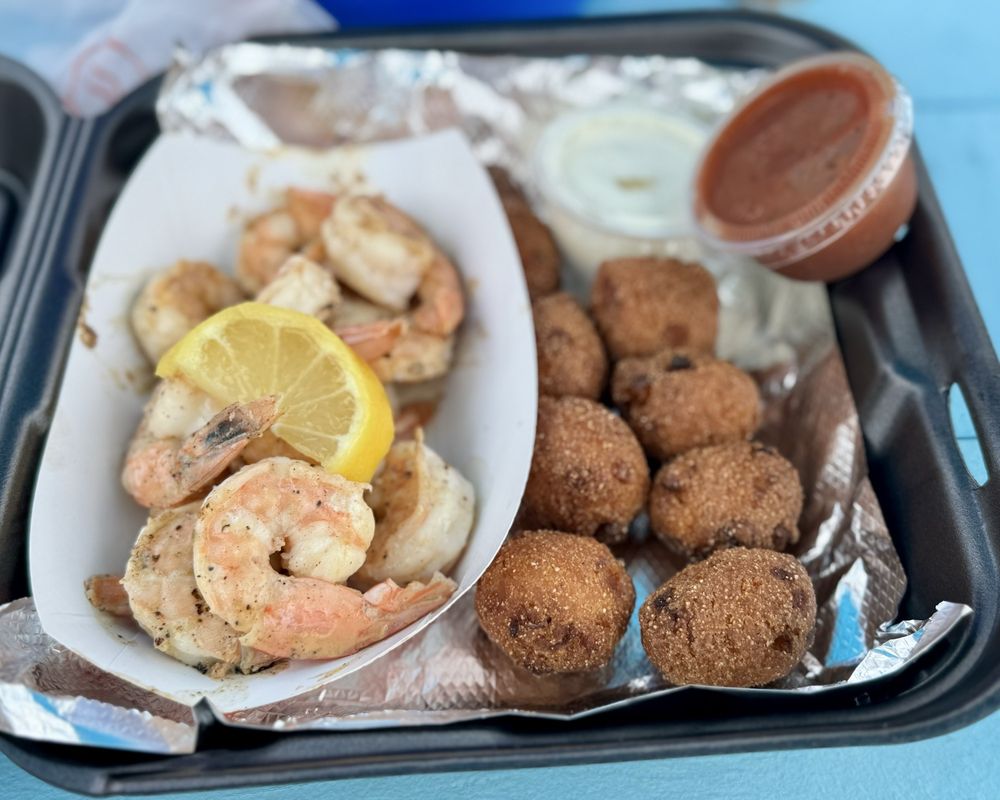
For daily essentials, the Publix at the Shops at Perdido Key — with its pharmacy, deli, and liquor store — handles most household needs without requiring a trip off the island. Fresh seafood comes directly from Perdido Bay Seafood, positioned under the Theo Baars Bridge, where locals pick up shrimp and the daily catch.
Major retail is handled efficiently from the surrounding area. The Wharf at Orange Beach, fifteen minutes west, covers specialty retail and dining with a distinct resort-market sensibility. Tanger Outlets in Foley, Alabama, about thirty minutes away, is the regional destination for designer brands across 120-plus stores. Cordova Mall in Pensacola — twenty to twenty-five minutes east — covers traditional department store anchors including Dillard's and Belk.
Perdido Key has a cultural identity that doesn't conform to a single category. It is simultaneously a gritty beach-bar community and a luxury coastal enclave, and residents who love it tend to love it precisely because of that contradiction.
The Flora-Bama spirit runs through everything. The annual Interstate Mullet Toss, held every April, where participants hurl a dead fish from Florida into Alabama for charity, is not a marketing event — it's a genuine expression of who these people are and what they find worth celebrating. The Frank Brown International Songwriters' Festival every November draws serious musical talent to intimate island venues, and the area has long had a creative undercurrent that larger resort markets rarely cultivate.
The Pensacola Naval Air Station sits just across the bridge, and the Blue Angels are not an occasional spectacle here — they practice over the Gulf regularly, and the sound of their formations is woven into daily life. The military connection gives the community a specific texture: disciplined, proud, unpretentious.
The conservation ethic is real and active. Residents here participate in turtle nesting watches and beach cleanups not because they're required to, but because the island's protected status is something the community values and defends. This is a place where people have made a deliberate choice to live closer to nature and farther from the kind of overdevelopment that has compromised so many coastal markets.
Perdido Key is served by the Escambia County School District. There are no traditional public schools on the island itself — students cross the Theo Baars Bridge to the mainland, typically a ten-to-fifteen minute commute.
At the elementary level, Hellen Caro Elementary (Pre-K through 5th grade) is the primary school for Key residents and consistently earns B ratings and 7 out of 10 scores in state assessments. Community involvement is one of its defining characteristics. For middle school, many families opt for Beulah Academy of Science, a STEM-focused charter school with an 8 out of 10 rating for student progress. The zoned high school is Escambia High School in West Pensacola, which offers several Career Academies including tracks in health sciences and engineering.
For early childhood, Perdido Bay Methodist Preschool serves children 16 months through 5 years and follows the county school calendar. Perdido Bay Baptist Preschool offers a faith-based curriculum with a strong reputation for early literacy.
At the higher education level, the University of West Florida is located approximately 25 miles away in Ferry Pass and serves as the region's primary research university. Pensacola State College's Warrington campus is fifteen minutes from the island and provides accessible associate degrees and vocational training.
Perdido Key operates on a single main artery: Perdido Key Drive (SR 292), which runs the length of the island east to west, connecting to Orange Beach, Alabama to the west and to the mainland via the Theo Baars Bridge to the east. From there, Blue Angel Parkway (SR 173) provides the primary corridor to NAS Pensacola and the commercial districts of West Pensacola. Interstate 10 is accessible within a twenty-minute drive, offering direct routes to Mobile to the west and Tallahassee to the east.
Pensacola International Airport is approximately 20 miles and 35 minutes from the island, served by Delta, American, and Southwest, and handles the major carrier traffic that residents and second-home owners depend on.
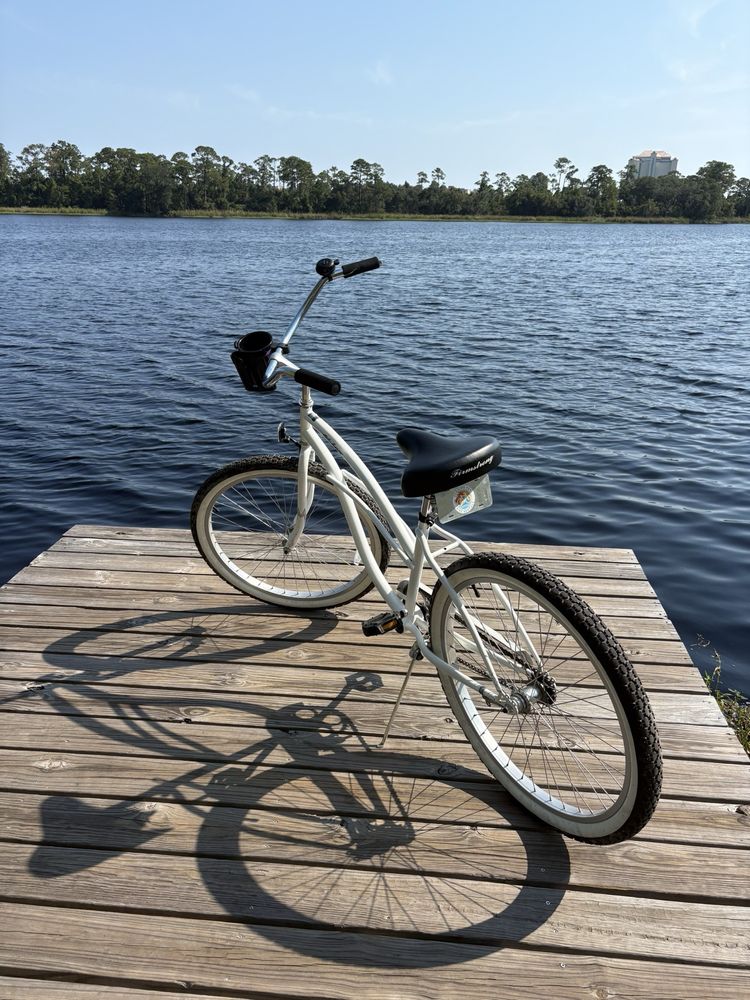
The honest reality of island traffic: summer congestion along Perdido Key Drive, particularly near the Flora-Bama intersection, is significant between June and August. The workaround locals rely on is Innerarity Point Road and Bauer Road, which bypass the bottleneck when heading into Pensacola. For day-to-day movement on the island itself, the newly completed 6.5-mile multi-use path has meaningfully changed how residents navigate — cycling between the state park, the town center, and the residential neighborhoods is now a genuine option, not just an aspiration.
Limited bus service exists via ECAT Line 58, which connects the mainland side of the bridge to downtown Pensacola. Transit on the island itself is minimal, and residents should expect personal vehicle or bicycle to be their primary transportation mode.
Within the larger Perdido Key market, certain micro-locations have established themselves as the addresses serious buyers pursue.
Perdido Key Drive (Gulf-Side Corridor) carries the island's most trophy beachfront condominiums. Vista Del Mar, Indigo, and La Riva represent the upper end of the high-rise market, with unobstructed Gulf views, private elevator access, and amenity packages that rival resort properties.
Lost Key Golf & Beach Club is the island's most complete residential community. Arnold Palmer-designed golf, beach club access, and a mix of villas, townhomes, and single-family lots within a gated environment make it the preferred address for full-time residents seeking a true neighborhood experience rather than a condo tower.
Old River & Intracoastal Waterway Estates occupy the north side of the island and represent the most private and architecturally significant single-family properties on the key. These homes often feature private boat slips, generous lot sizes, and water views that differ from — but rival — the Gulf-side perspective.
Innerarity Point offers the island's best value proposition for waterfront living: water access, a more established neighborhood character, and a median price point around $350,000 that sits well below beachfront alternatives. It appeals to buyers who prioritize lifestyle over front-row Gulf positioning.
Phoenix Key is the newest luxury addition to the market and has quickly established itself as the premier address for buyers seeking large-format, low-density living in a high-rise format, with units reaching up to five bedrooms.
People who end up on Perdido Key typically arrive looking for a coastal property and leave with something closer to a life decision. The island has a way of clarifying priorities.
The combination of federally protected beaches, a community that has resisted over-commercialization, and a pace of life that genuinely reflects what "Gulf Coast living" is supposed to mean draws a specific type of buyer — one who values privacy over prestige, nature over novelty, and long-term quality over short-term trend. The sand is objectively different here. The water is clear. And 60% of the island will remain that way permanently.
For second-home buyers, the short-term rental market provides a meaningful income offset against carrying costs during the months owners aren't in residence. For full-time residents, the growing infrastructure — the multi-use path, the developing Town Center, the improving school pipeline — signals a community investing in its own future.
What Perdido Key offers, fundamentally, is the rarest thing in coastal real estate: a Gulf-front lifestyle that doesn't require a compromise on character.
If you're exploring Perdido Key real estate — whether you're a first-time buyer navigating the island's unique due diligence requirements, an investor evaluating rental income potential, or a seller preparing to position your property in the current market — Matthew Welch is the agent you want in your corner.
Matthew brings deep knowledge of the Perdido Key market, from the beachfront high-rises on Gulf-side Drive to the waterfront estates along the Old River. His approach is straightforward: give clients the information they need to make confident decisions, and handle the complexity of coastal transactions so they don't have to.
Reach out to Matthew directly to schedule a conversation about your real estate goals on Perdido Key.
There's plenty to do around Perdido Key, including shopping, dining, nightlife, parks, and more. Data provided by Walk Score and Yelp.
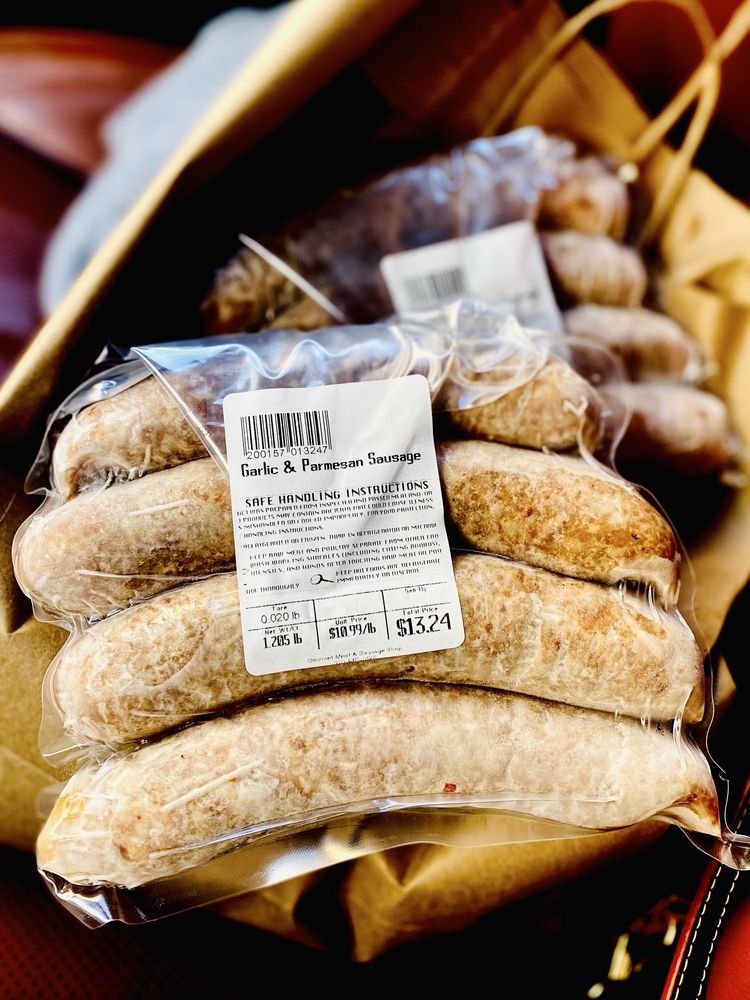
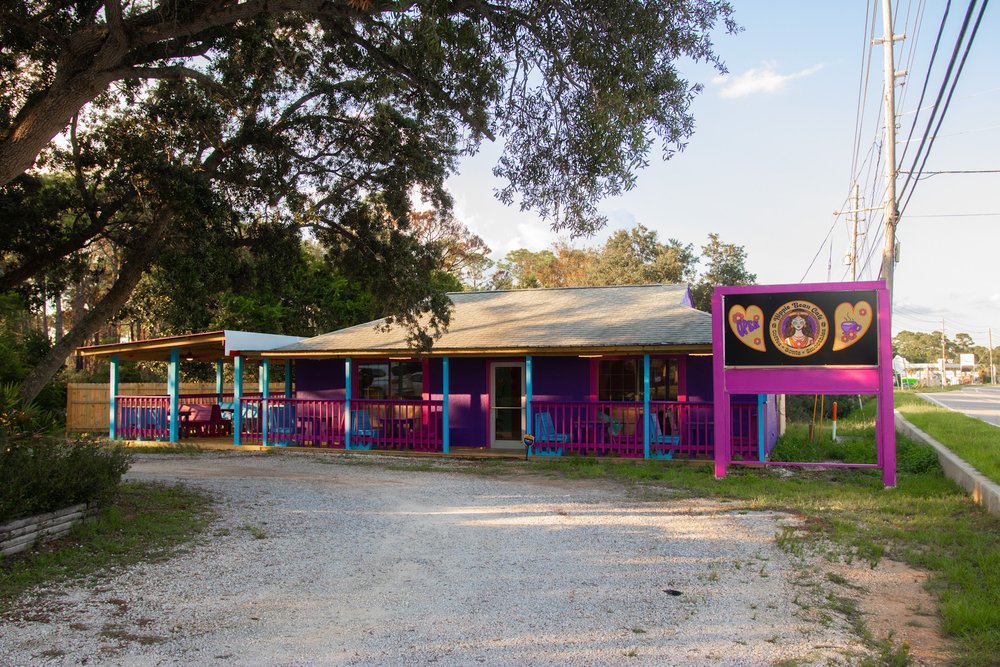
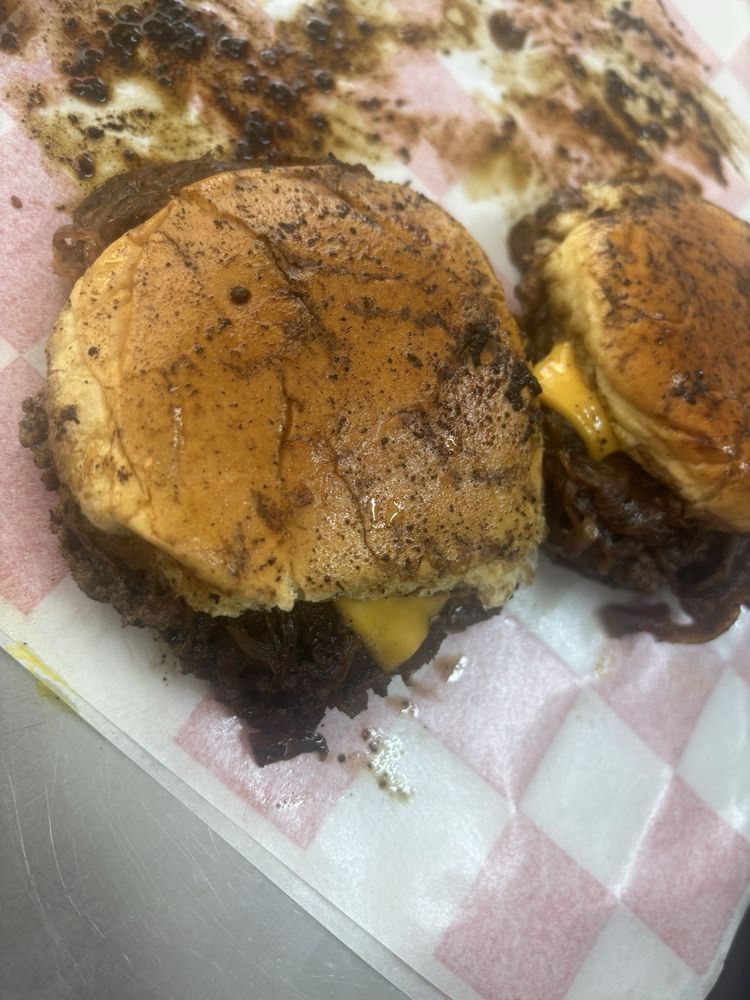
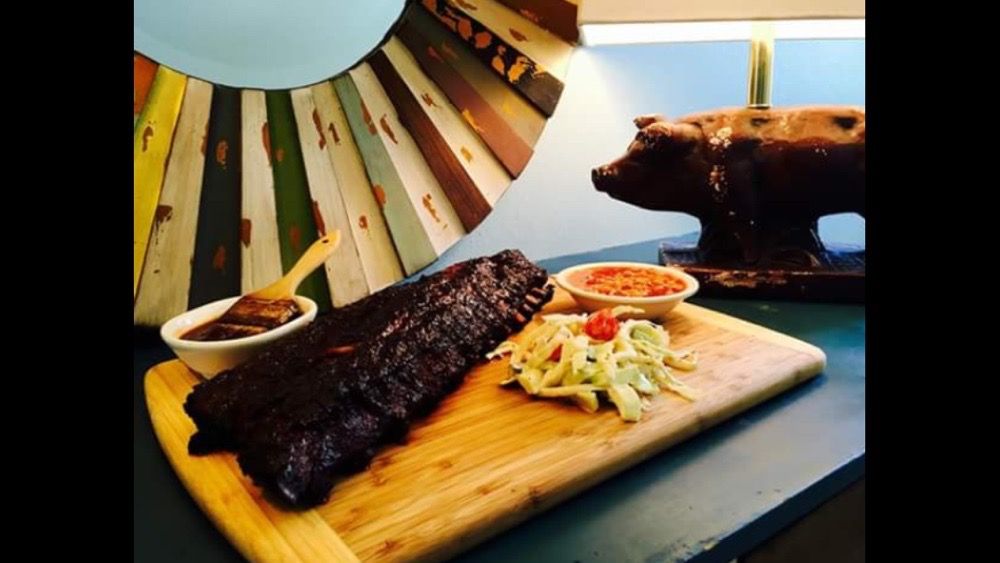
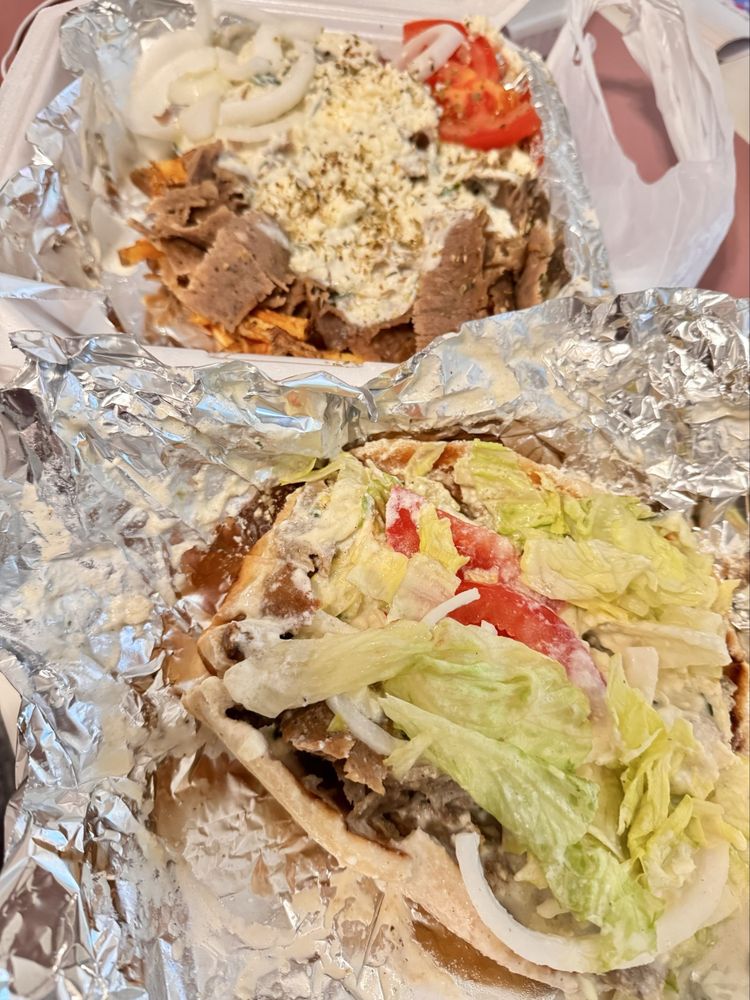
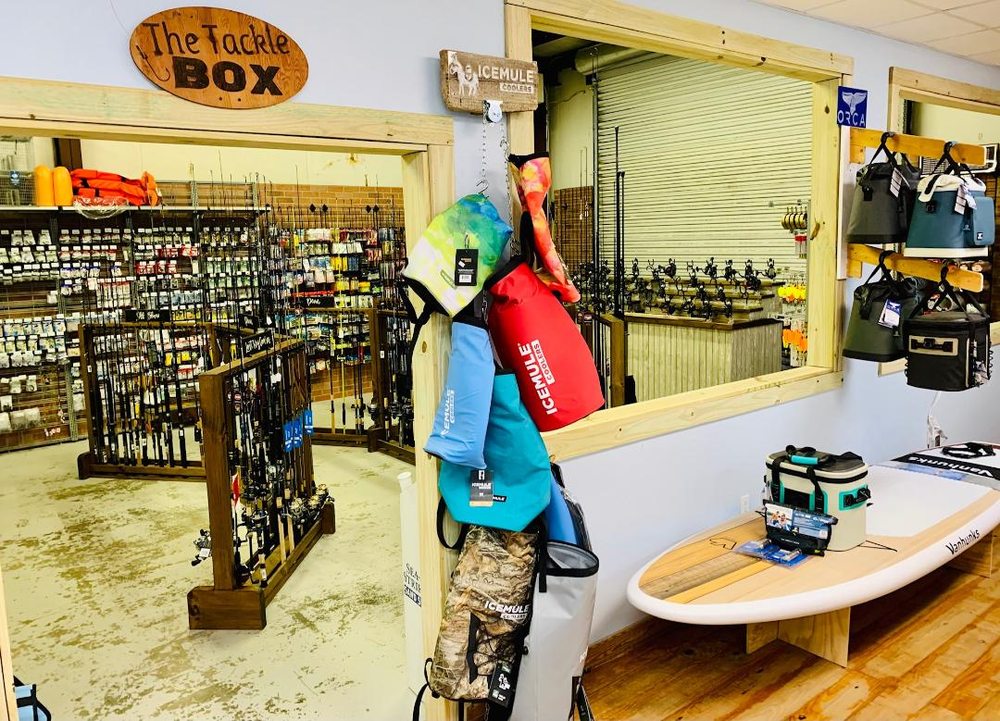
Explore popular things to do in the area, including Gourmet Meat & Sausage Shop, Hippie Bean, and Bear Fruit Bowls and Coffee.
| Name | Category | Distance | Reviews |
Ratings by
Yelp
|
|---|---|---|---|---|
| Dining | 1.34 miles | 9 reviews | 5/5 stars | |
| Dining | 1.2 miles | 15 reviews | 5/5 stars | |
| Dining | 1.05 miles | 20 reviews | 5/5 stars | |
| Dining | 1.31 miles | 51 reviews | 4.9/5 stars | |
| Dining | 1.55 miles | 7 reviews | 4.9/5 stars | |
| Dining | 0.78 miles | 6 reviews | 4.8/5 stars | |
| Dining · $ | 4.29 miles | 101 reviews | 4.7/5 stars | |
| Dining · $$ | 0.91 miles | 218 reviews | 4.7/5 stars | |
| Dining · $$ | 0.49 miles | 85 reviews | 4.7/5 stars | |
| Active | 1.52 miles | 10 reviews | 5/5 stars | |
| Active | 4.42 miles | 6 reviews | 5/5 stars | |
| Active | 1.27 miles | 6 reviews | 5/5 stars | |
| Active | 1.18 miles | 11 reviews | 4.9/5 stars | |
| Active | 1.33 miles | 6 reviews | 4.8/5 stars | |
| Active | 1.29 miles | 9 reviews | 4.8/5 stars | |
| Active | 4.89 miles | 8 reviews | 4.8/5 stars | |
| Active | 0.32 miles | 47 reviews | 4.7/5 stars | |
| Beauty | 2.81 miles | 23 reviews | 4.9/5 stars | |
|
|
||||
|
|
||||
|
|
||||
|
|
||||
|
|
||||
|
|
Perdido Key has 894 households, with an average household size of 2. Data provided by the U.S. Census Bureau. Here’s what the people living in Perdido Key do for work — and how long it takes them to get there. Data provided by the U.S. Census Bureau. 1,671 people call Perdido Key home. The population density is 426.255 and the largest age group is Data provided by the U.S. Census Bureau.
Total Population
Population Density Population Density This is the number of people per square mile in a neighborhood.
Median Age
Men vs Women
Population by Age Group
0-9 Years
10-17 Years
18-24 Years
25-64 Years
65-74 Years
75+ Years
Education Level
Total Households
Average Household Size
Average individual Income
Households with Children
With Children:
Without Children:
Marital Status
Blue vs White Collar Workers
Blue Collar:
White Collar:
I promise 3 things: 1. I will be on time. 2. I will be brutally honest. 3 I will always do what I say I'm going to do. As your Real Estate Consultant, there are 3 Things I am going to do for you: 1. Consult with you. 2. Negotiate for you. 3. Handle all the details for you.