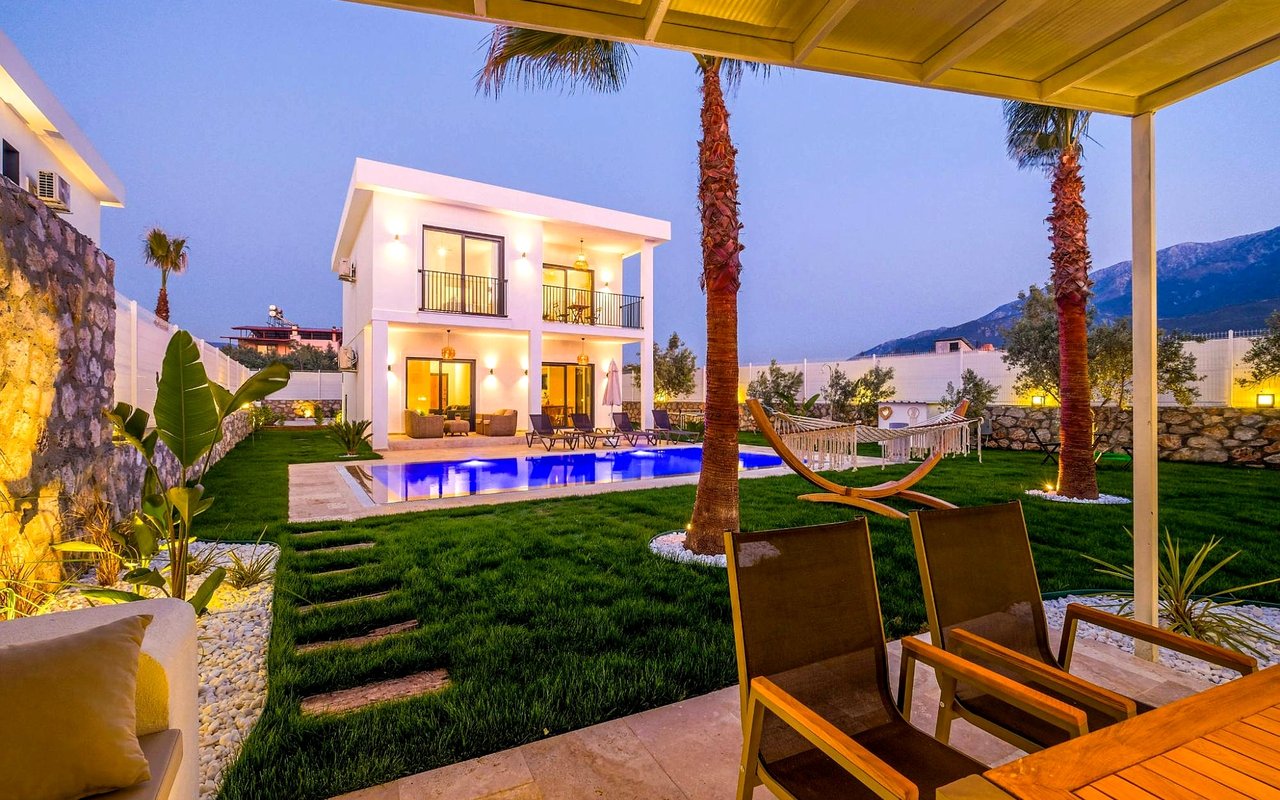
Orange Beach, Alabama, has become one of the Gulf Coast's most attractive luxury markets. More than a landing spot for those seeking out white-sand beaches, boat-friendly back bays, and a laid-back lifestyle, this coastal enclave near the Alabama-Florida state line is an underappreciated gem that boasts a broad array of real estate options.
From inland single-family homes to waterfront estates and high-rise condos, there's an abundance of luxury to explore. Of course, in addition to the region's broad amenities and proximity to the water, current and prospective owners must still consider the cost of ownership. That includes property taxes.
Modest by comparison to national standards, it remains worth understanding how your property taxes are structured and what you can expect to pay for your slice of paradise along the Alabama coast.
How Property Taxes Are Calculated in Orange Beach
Alabama's property tax system is known as one of the most homeowner-friendly in the country, and Orange Beach is no exception.
Assessed Value
Property taxes here are determined by a simple formula that combines low assessments and modest millage rates, keeping annual tax bills far below those in comparable coastal markets.
At its core, your annual property tax in Orange Beach is calculated based on 10% of your home's assessed value.
Highly appealing to buyers, this formulation gives Alabama the nation's second-lowest effective property tax rate.
At its core, your annual property tax in Orange Beach is calculated based on 10% of your home's assessed value.
Highly appealing to buyers, this formulation gives Alabama the nation's second-lowest effective property tax rate.
Residential vs. Investment Properties
To determine that value, the state categorizes different properties into classes. For residential home purchasers or investors, the two that matter most are:
- Class II: Investment properties, including rentals, second homes, and commercial use; assessed at 20% of market value.
- Class III: Owner-occupied residential homes, including historic buildings and sites; assessed at 10% of their market value. Includes second homes not used as rental properties.
To get the assessed value, the state calculates:
-
Assessed Value = Appraised Value x Property Classification
Understanding your property's classification is critical, as it is a key distinction that can significantly affect your tax obligations.
Purchasing a $750,000 primary residence in Orange Beach means $75,000 of that value is subject to the local tax rate.
That same residence, used primarily as a rental property, has a taxable assessment value of $150,000.
Buyers should always confirm that their new home is correctly classified, especially if they intend to make the property their primary residence. That classification determines which assessment rate applies and can make a noticeable difference in long-term costs.
Purchasing a $750,000 primary residence in Orange Beach means $75,000 of that value is subject to the local tax rate.
That same residence, used primarily as a rental property, has a taxable assessment value of $150,000.
Buyers should always confirm that their new home is correctly classified, especially if they intend to make the property their primary residence. That classification determines which assessment rate applies and can make a noticeable difference in long-term costs.
Millage Rate
Once the assessed value is determined, the county millage rate is used to calculate your unadjusted property tax bill. Baldwin County and Orange Beach millage rates are relatively low, especially compared to coastal cities in other states. A "mill" is 1/10th of one cent, and is calculated as $1 for every 1,000 mills of assessed value.
For most owner-occupied homes in Baldwin County, the combined millage rate, which includes millages for state, county, and school, totals approximately 32 mills.
To calculate that for our $750,000 home:
For most owner-occupied homes in Baldwin County, the combined millage rate, which includes millages for state, county, and school, totals approximately 32 mills.
To calculate that for our $750,000 home:
-
Market value: $750,000
-
Assessment (10%): $75,000
-
Millage rate: 32.0
-
Annual tax: $75,000 ÷ 1,000 × 32 = $2,400 (prior to any exemptions)
That's under $2,500 in property taxes annually for a luxury-level home and a fraction of what buyers might pay for similar Gulf Coast homes in Florida.
Homestead and Other Exemptions
While the base rates are already favorable, Alabama offers additional exemptions for homeowners who qualify. The most common, and arguably, the most important, is the Homestead Exemption.
For primary residences, the Homestead Exemption provides an annual tax reduction by lowering the property's taxable value. In our example, the reduction would be approximately $200 per year. While that may be a small percentage of a luxury buyer's budget, it's one of several advantages that make the cost of living in Orange Beach appealing.
Other exemptions are available for:
For primary residences, the Homestead Exemption provides an annual tax reduction by lowering the property's taxable value. In our example, the reduction would be approximately $200 per year. While that may be a small percentage of a luxury buyer's budget, it's one of several advantages that make the cost of living in Orange Beach appealing.
Other exemptions are available for:
-
Seniors age 65+ (with income limits)
-
Disabled homeowners
-
Military veterans
These programs are more nuanced and may not apply to all luxury homebuyers, but they're part of what makes Alabama's system equitable and tailored to long-term residents.
Why Buyers Should Understand the Tax Structure
While the system itself is straightforward, there are a few key takeaways that savvy buyers should keep in mind:
Owner-Occupied Status Matters
If you're buying property as a primary residence, ensure it's classified as Class III. Misclassification could double your assessed value overnight, unnecessarily inflating your tax bill.
File for the Homestead Exemption Promptly
New homeowners must proactively file for the exemption—it doesn't apply automatically. Though managed through Baldwin County, it's a step worth taking shortly after closing to lock in your savings.
Low Taxes Support Long-Term Ownership
The combination of a 10% assessment rate and modest millage means you'll pay less in annual taxes relative to comparable properties elsewhere. Orange Beach is particularly attractive for long-term investment, second homes that may become primary residences, or permanent relocation.
Budget Accordingly
While Alabama taxes are paid in arrears, most buyers include them in escrow through their mortgage lender, creating a smooth, predictable monthly allocation. The key is knowing how the tax bill is structured upfront, so your closing expectations and long-term ownership costs are in sync.
Discover More of Orange Beach's Luxury Coastal Lifestyle
For buyers exploring the high-end market in Orange Beach, the property tax system is one of the region's most compelling incentives. Transparent, low-impact, and favorable to full-time homeowners, it offers stability in a market defined by lifestyle, investment appeal, and generational value.
If you're interested in learning more about the Orange Beach lifestyle, including the purchase of a home, or if you're considering listing a home for sale, contact Matthew Welch today to start your real estate journey. Allow Matthew's extensive experience and expertise to help you navigate Alabama's Gulf Coast, including the Orange Beach luxury real estate market.
If you're interested in learning more about the Orange Beach lifestyle, including the purchase of a home, or if you're considering listing a home for sale, contact Matthew Welch today to start your real estate journey. Allow Matthew's extensive experience and expertise to help you navigate Alabama's Gulf Coast, including the Orange Beach luxury real estate market.